
How BeerDaily uses sources
BeerDaily uses sources to support the broad historical spine of the site: beer as fermented grain, ancient beer in Mesopotamia and Egypt, the Hymn to Ninkasi, bread-and-beer production, hops and preservation, cold lagering, industrial brewing, Prohibition, and the modern craft revival.
The site also uses fictional characters and manga comedy. Those characters are not sources. Professor Pint explains sources. Foam Goblin attacks them. Hop Samurai is a metaphor with excellent posture.
BeerDaily rule: enjoy the legend, then check the ledger.
Core beer history references
Encyclopaedia Britannica’s beer and brewing references are useful starting points for general beer history. Britannica summarizes early barley beer in Sumer and Babylonia, Egyptian tomb evidence, and the wider development of brewing.
Recommended starting links
Ancient beer: Sumer, Babylon, and Mesopotamia
For ancient Mesopotamian beer, useful starting points include museum material, encyclopedic references, and discussions of the Hymn to Ninkasi. Smithsonian Libraries’ beer-related material notes Mesopotamia as an early center of fermentation and points to the wider spread of fermented grain traditions.
BeerDaily treats ancient beer carefully: ancient fermented grain drinks were not modern beer in costume, and the evidence is often fragmentary. That is why the site avoids turning one ancient jar into a universal beer origin story.
Ancient beer reading shelf
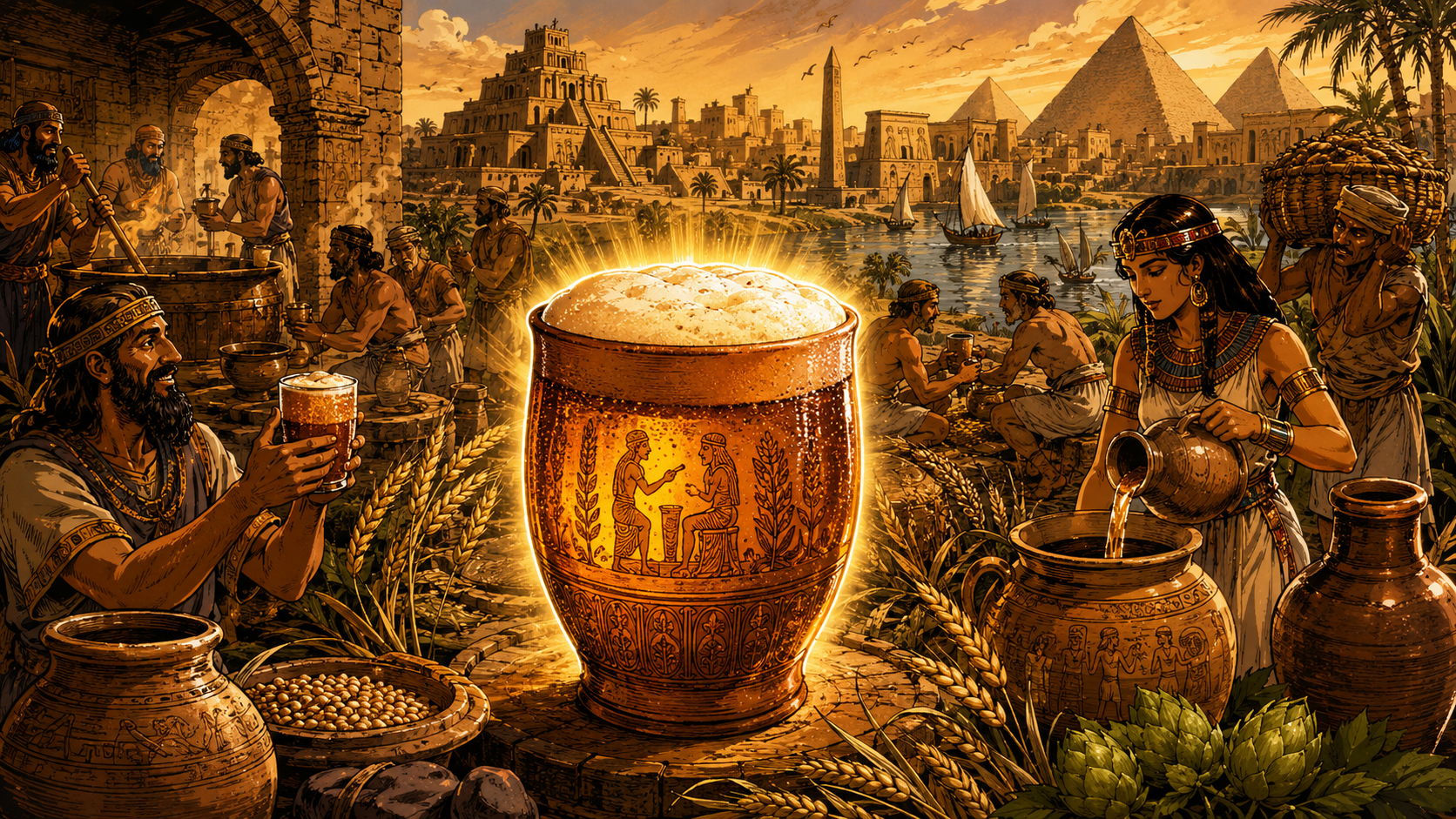
The Hymn to Ninkasi
The Hymn to Ninkasi is widely discussed as a Sumerian praise song that also preserves brewing process language. World History Encyclopedia describes it as both a hymn to the Sumerian beer goddess and an ancient brewing recipe.
BeerDaily uses the Hymn to Ninkasi as a central example of beer as both practical craft and cultural memory. It is a recipe-prayer, not a modern technical brew sheet with exact temperatures and lab controls.
Ninkasi reading shelf
Ancient Egypt: bread, beer, and tomb models
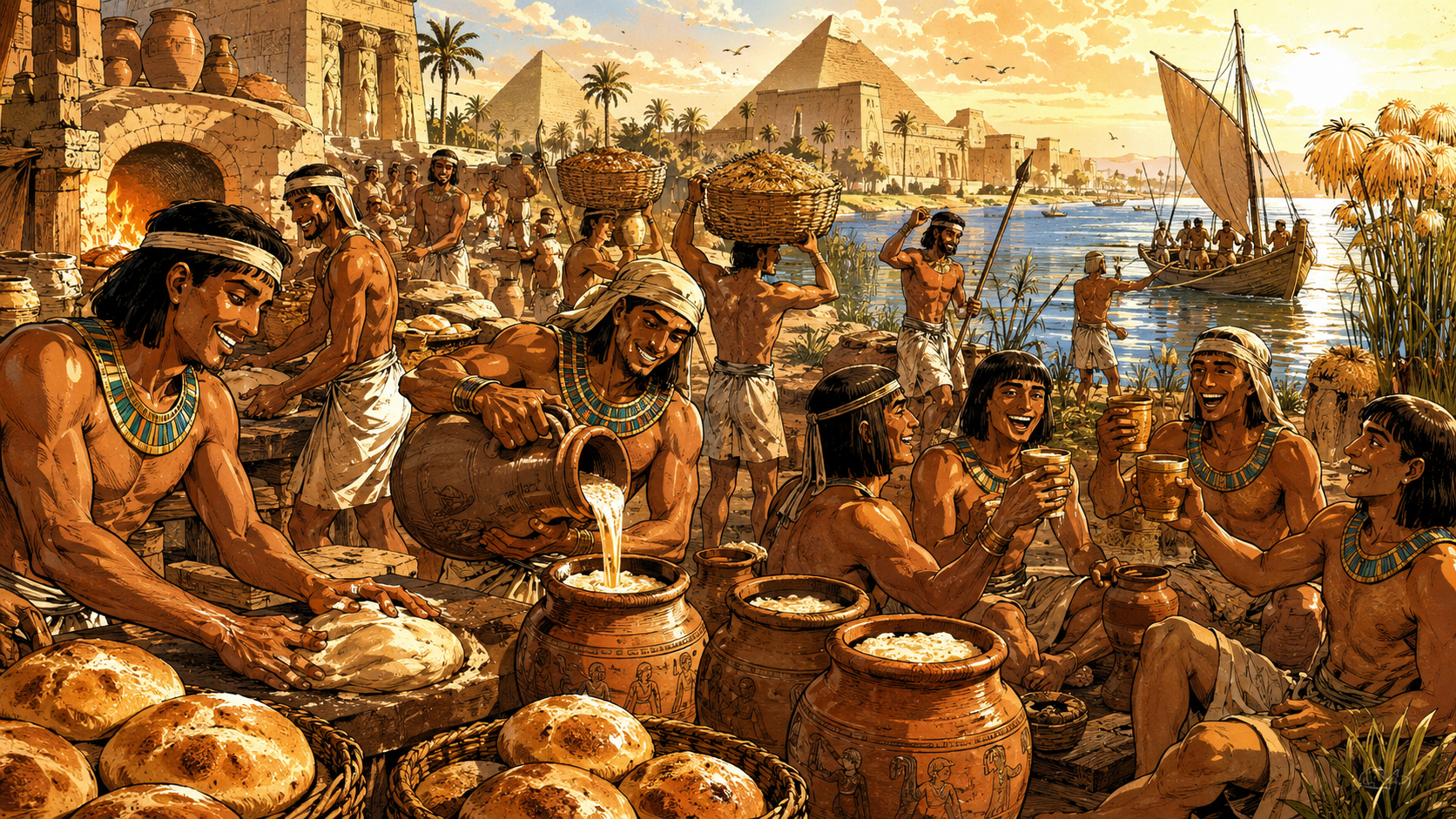
The Metropolitan Museum of Art has strong visual references for Egyptian bread-and-beer production, including the model of a combined bakery and brewery from the tomb of Meketre, and a Middle Kingdom model showing brewers and bakers.
These objects support BeerDaily’s emphasis that Egyptian beer belonged to grain, bread, labor, offerings, tomb provisioning, and daily life — not just drinking culture.
Egypt reading shelf
Beer before hops, gruit, and old flavor worlds
BeerDaily’s “before hops” pages are built around a cautious historical point: modern beer often treats hops as automatic, but older fermented grain drinks and medieval ales could use many flavoring and balancing approaches, including herbs, gruit mixtures, smoke, sourness, fruit, honey, and local plants.
The site’s key claim is not that hops were unimportant. The key claim is that hops were not the beginning of beer. Hops became a powerful solution to balancing sweetness, improving stability, supporting storage, and helping beer travel.
Before-hops reading shelf
Monasteries, records, and refinement
BeerDaily treats monastic brewing as important but not as the origin of beer. The site’s framing: monks and monasteries helped preserve, record, refine, store, and repeat brewing practices, but ancient beer existed long before medieval abbey cellars.
Use the monastic pages as interpretive history, not as a claim that monks invented beer. Foam Goblin says that. Foam Detective rejects it.
Monks and records reading shelf

Lager, refrigeration, and industrial brewing
BeerDaily’s lager and industrial pages explain how cold fermentation, cellars, caves, refrigeration, glass, railroads, steam power, packaging, and science changed beer. The site treats lager not as “boring beer,” but as one of brewing’s great temperature-control stories.
Modern beer technology reading shelf
Prohibition and beer survival
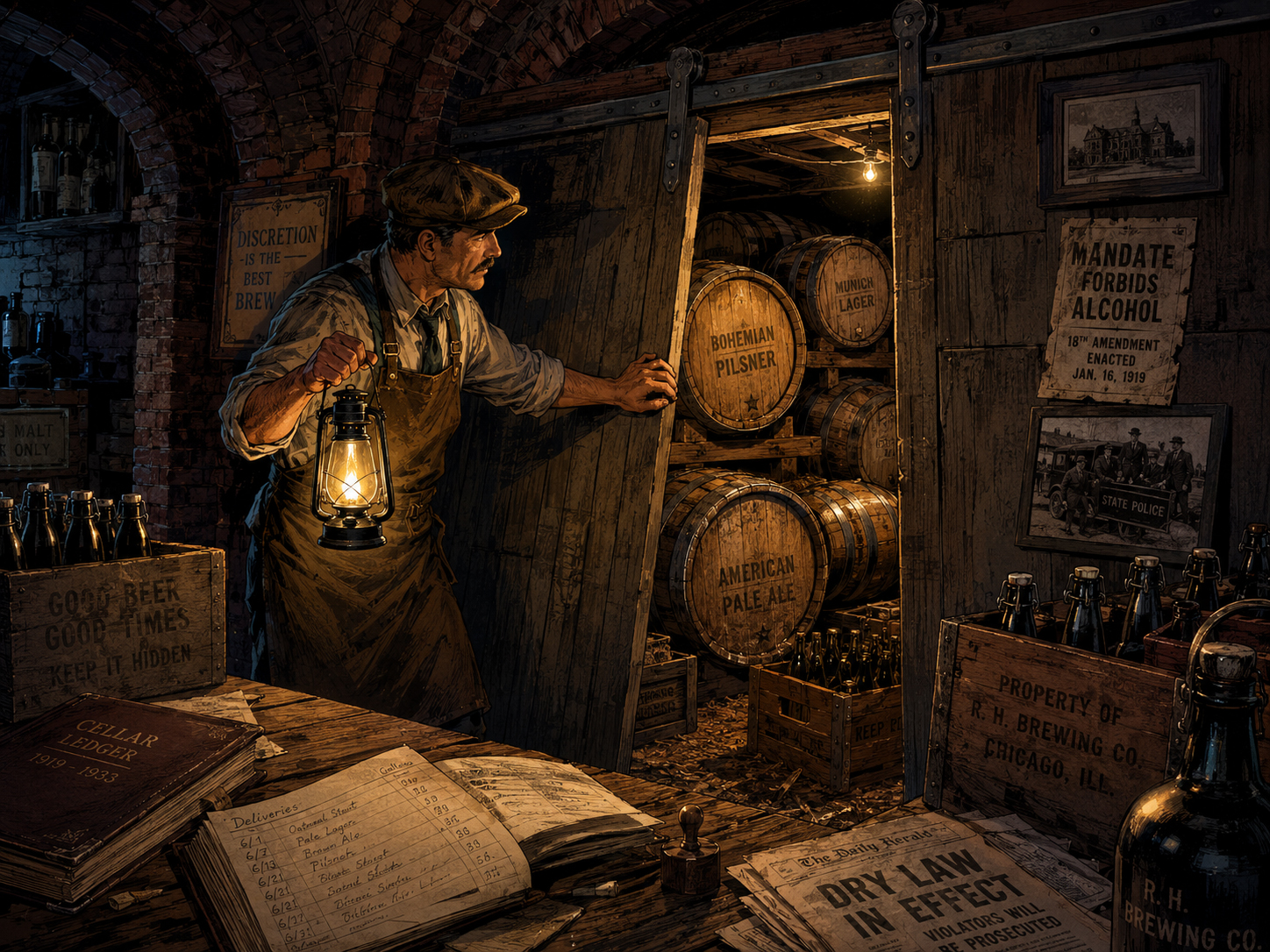
BeerDaily’s Prohibition framing is intentionally balanced. Temperance reform had real social concerns behind it, but national Prohibition also created major legal, economic, enforcement, and cultural consequences. The site treats Prohibition as law, survival, near beer, smuggling, hidden cellars, business disruption, and eventual repeal.
Prohibition reading shelf
Craft beer and modern local brewing
Britannica’s craft beer entry provides a current general reference for craft brewing and summarizes beer’s long background, including Mesopotamia, Egypt, China, fermentation, hops, and later brewing developments.
BeerDaily’s craft beer pages frame the modern craft revival as the return of local flavor, taprooms, homebrew energy, historic styles, hop creativity, and community — while still noting that “craft” is not automatically a guarantee of quality.
Craft beer reading shelf
Beer myths and correction policy
BeerDaily’s myth-busting pages are built around careful claims:
- Ancient people did not drink beer only because water was unsafe.
- Hops were not always required in beer.
- Monks did not invent beer.
- Dark beer is not automatically stronger.
- Lager is not automatically boring.
- Craft beer is not automatically better.
Corrections are welcome. The site is meant to improve as sources improve. Use the contact page if you see an issue, a missing source, or a claim that needs tighter wording.
Myth-busting shelf
Suggested books and deeper reading
BeerDaily can grow this list over time. Good deeper reading categories include:
- archaeology of fermented beverages;
- ancient Near Eastern food and drink;
- Egyptian bread and beer production;
- medieval brewing, alewives, gruit, and hops;
- industrial brewing, refrigeration, and lager history;
- Prohibition history;
- modern craft brewing and homebrewing history.
Suggested author and topic leads for future expansion: Patrick E. McGovern on ancient fermented beverages, Max Nelson on beer in antiquity, Ian S. Hornsey on brewing history, and museum collections such as The Met and Penn Museum for artifact-based context.
Source standards for future BeerDaily pages
BeerDaily should prefer museum collections, university materials, primary historical texts where available, reputable encyclopedias, books from recognized historians, academic articles, and carefully cited brewing-history resources.
Blog posts, brewery marketing pages, and viral trivia pages can be useful for ideas, but they should not be the final authority for disputed claims. Foam Goblin loves viral trivia. Professor Pint prefers footnotes.
BeerDaily moral: a good beer story can be funny, but the facts still have to survive the pour.