Beer and bread were close cousins.
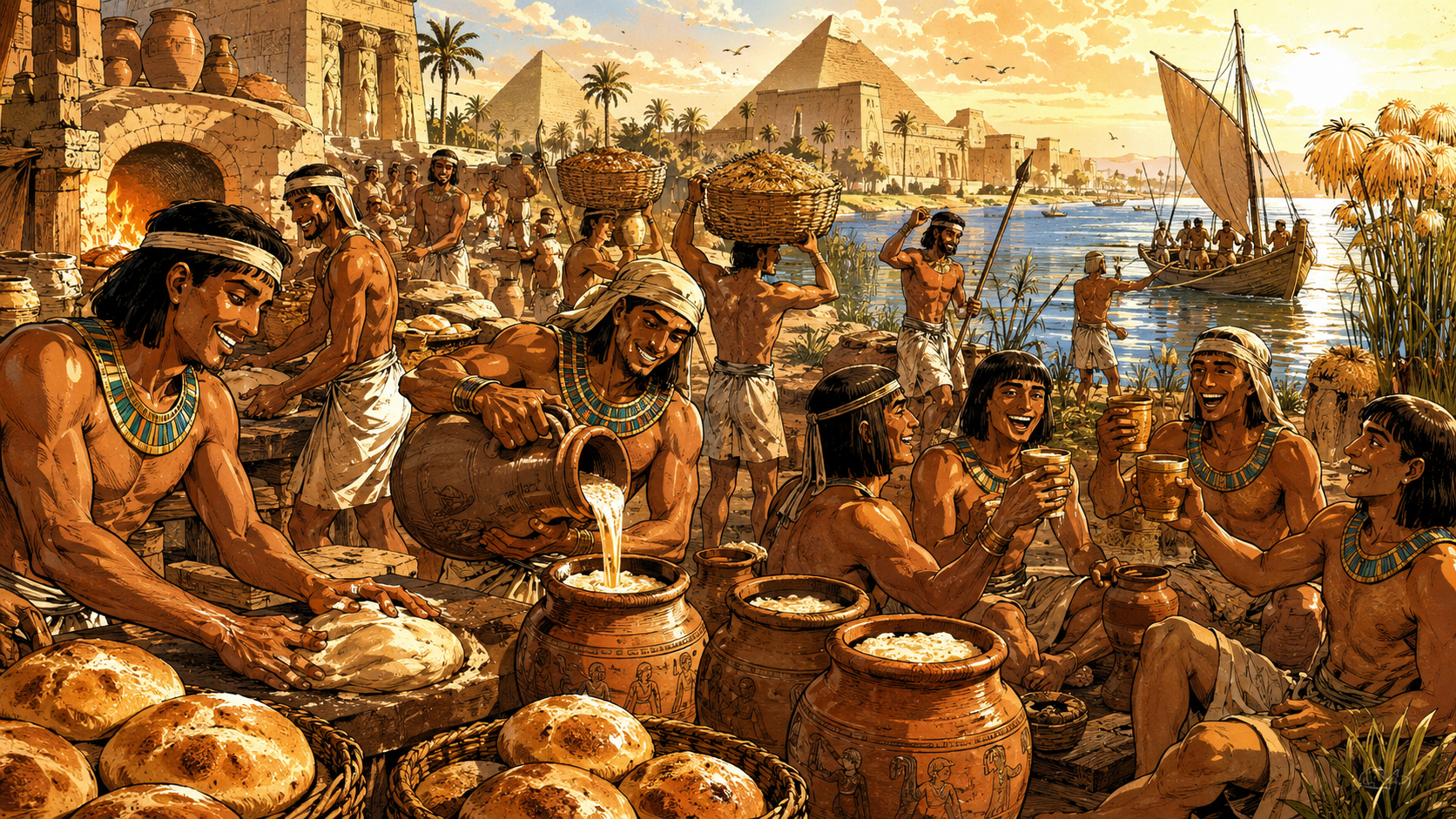
Ancient Egyptian beer is often discussed alongside bread because the two belonged to the same grain world. Grain could be milled, baked, soaked, mashed, fermented, eaten, drunk, offered, and counted. Bread and beer were not isolated inventions. They were two branches of the same agricultural tree.
The brewer and the baker were both transforming grain into usable life. One made loaves. One made drink. Both stood near the center of Egyptian food technology. BeerDaily calls this the “grain department,” and the grain department was very busy.
Egyptian beer was grain with a second career.
The Nile made beer possible.
The Nile was not just scenery. It shaped Egyptian agriculture, transport, settlement, taxation, labor, ritual, and food storage. Beer depended on that world. Without fields, harvests, water, storage, and organized labor, beer could not become a daily institution.
Beer in Egypt was therefore part of a much larger system. Grain grew from Nile agriculture. Workers processed it. Brewers transformed it. Administrators counted it. Temples offered it. Households consumed it. The jar looked simple, but the jar had an empire behind it.
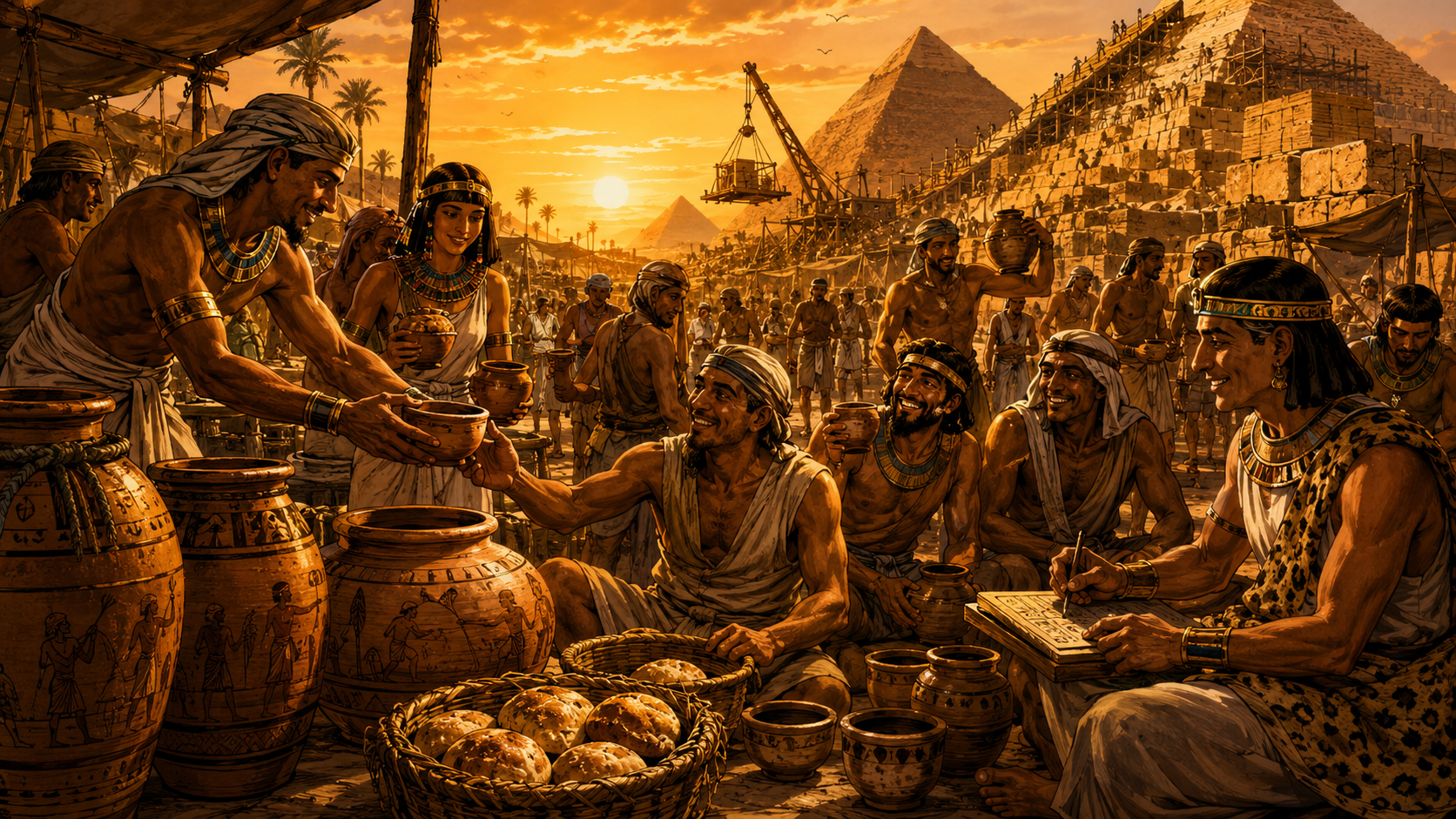
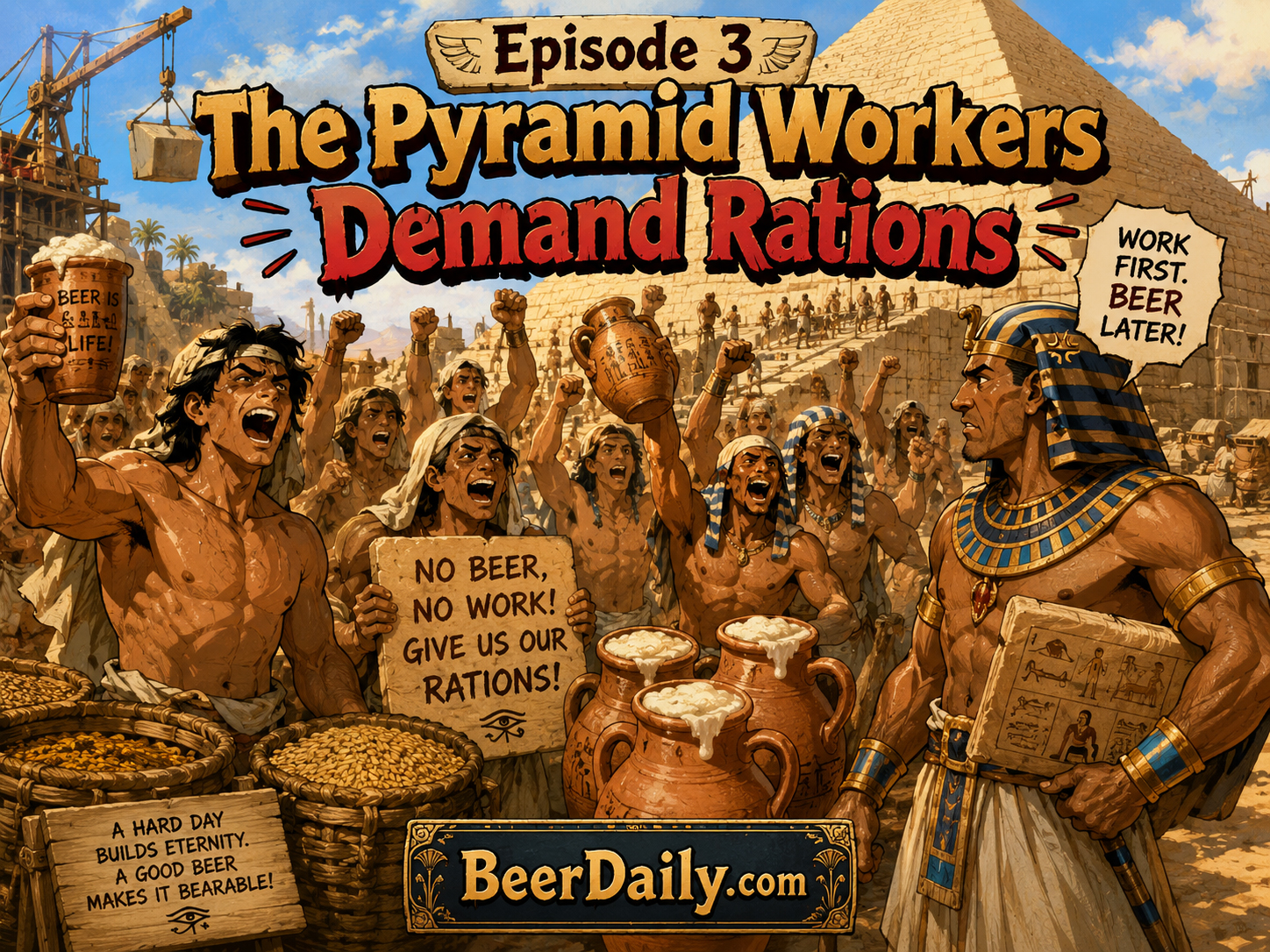
Worker rations: the pyramid payroll joke writes itself.
Beer could be part of worker provisioning. This does not mean every jobsite was a wild party. It means beer functioned as food, drink, compensation, and practical daily support. In an ancient labor system, calories mattered. Stored grain mattered. Drinkable grain mattered.
BeerDaily’s official payroll summary: ancient management looked at the workforce and said, “We have grain. We have jars. We have fermentation. Human resources has approved the beer.”
What did Egyptian beer taste like?
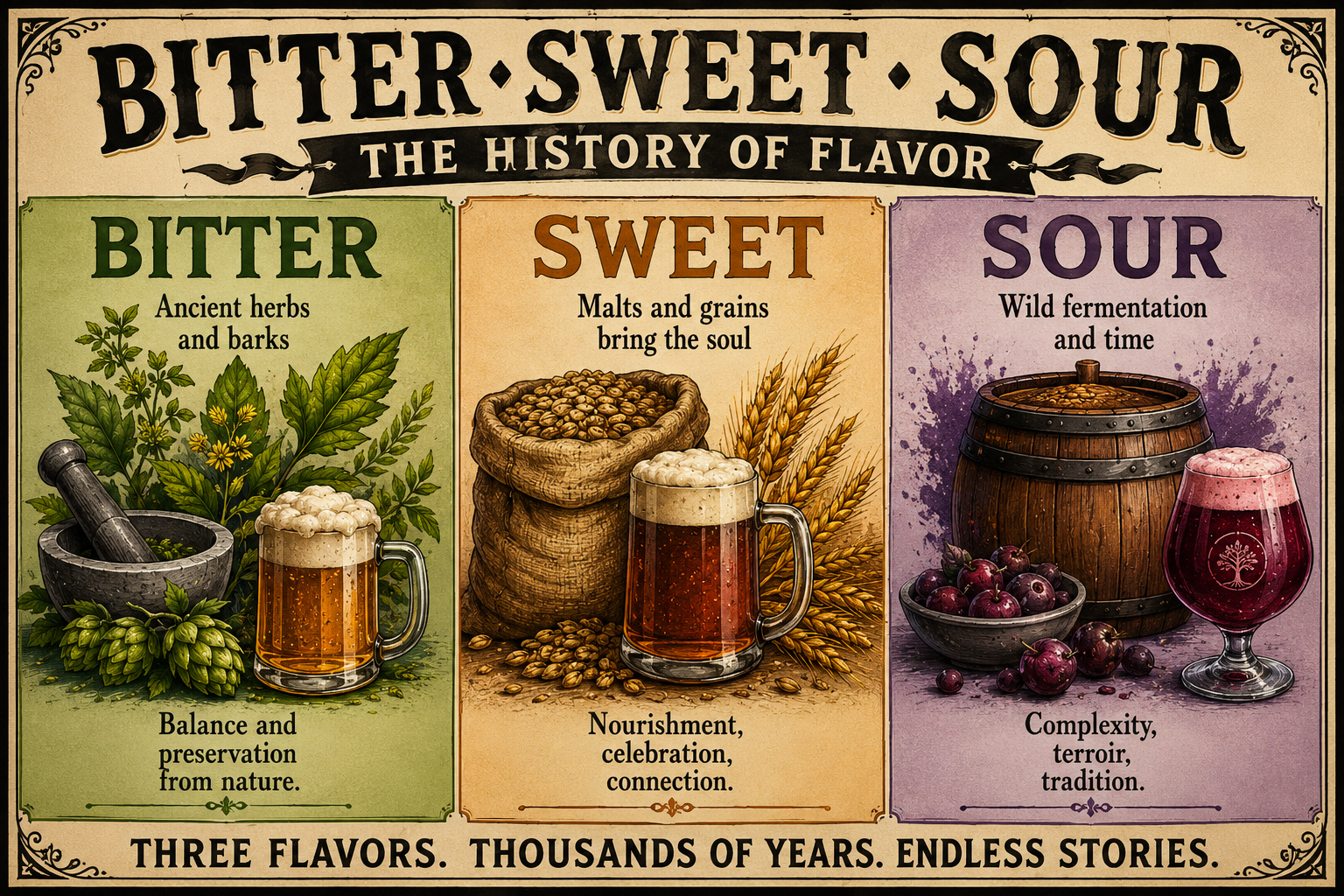
We should be careful here. Ancient Egyptian beer was not a modern bottled beer wearing a linen outfit. It may have been cloudy, thick, sweet, sour, grainy, fruity, herbal, or low in alcohol depending on method and context. Some beer was likely consumed fresh. Some may have been made for specific ritual or household uses.
Modern drinkers often imagine beer as cold, clear, carbonated, and hopped. Ancient Egyptian beer probably broke several of those expectations. It was closer to fermented grain nourishment than modern taproom sparkle. That does not make it primitive. It makes it historically honest.
Offerings: beer for the gods and the dead
Beer appears in Egyptian religious and funerary contexts. It could be part of offerings, rituals, tomb scenes, and symbolic provisioning. In ancient belief, the dead needed sustenance, and the gods received food and drink. Beer belonged naturally among those gifts.
A modern person might bring flowers. Ancient Egypt could bring bread, beer, and a very serious sense that the afterlife should not have bad catering.
Tomb scenes and brewing models
Egyptian tomb art and models help preserve brewing history because they show food and drink production as important parts of life. Brewing scenes and bakery scenes reveal process, equipment, labor, and cultural value. They remind us that beer was not a footnote. It was worth depicting.
The great trick of tomb art is that it makes daily labor visible across thousands of years. Someone brewed. Someone baked. Someone carried jars. Someone managed grain. Someone probably said, “Do not drop that, it is for the offering table.”

Beer as household practice
Not all beer history is palace history. Beer also belonged to households, kitchens, families, and local routines. A civilization can build monuments, but it also has to feed people every day. Beer participated in that daily work.
Household brewing reminds us that beer history is not only about kings, temples, and grand projects. It is also about ordinary skill: knowing grain, water, vessels, timing, and taste well enough to make something people trust.
Egyptian beer was not alone.
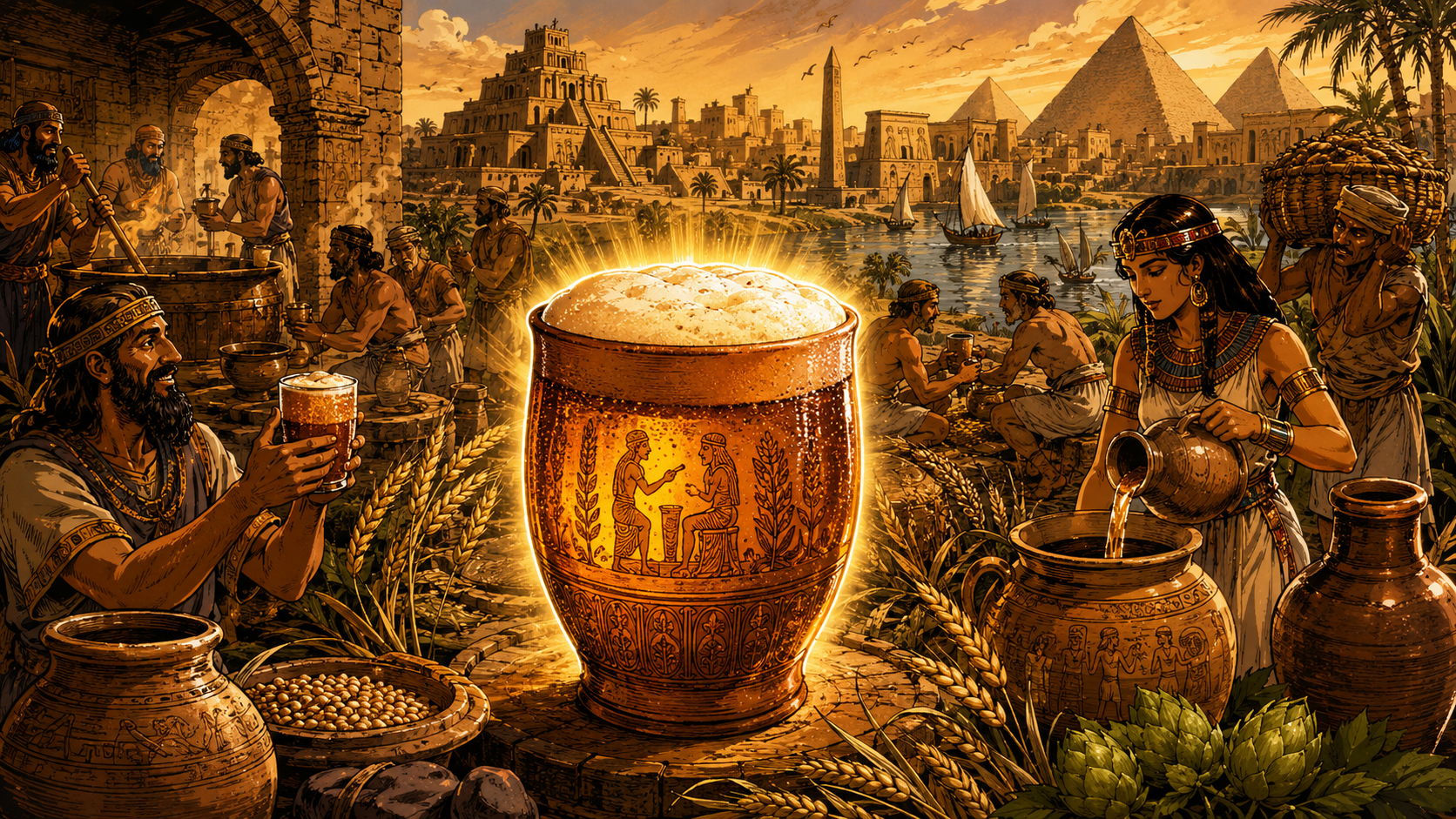
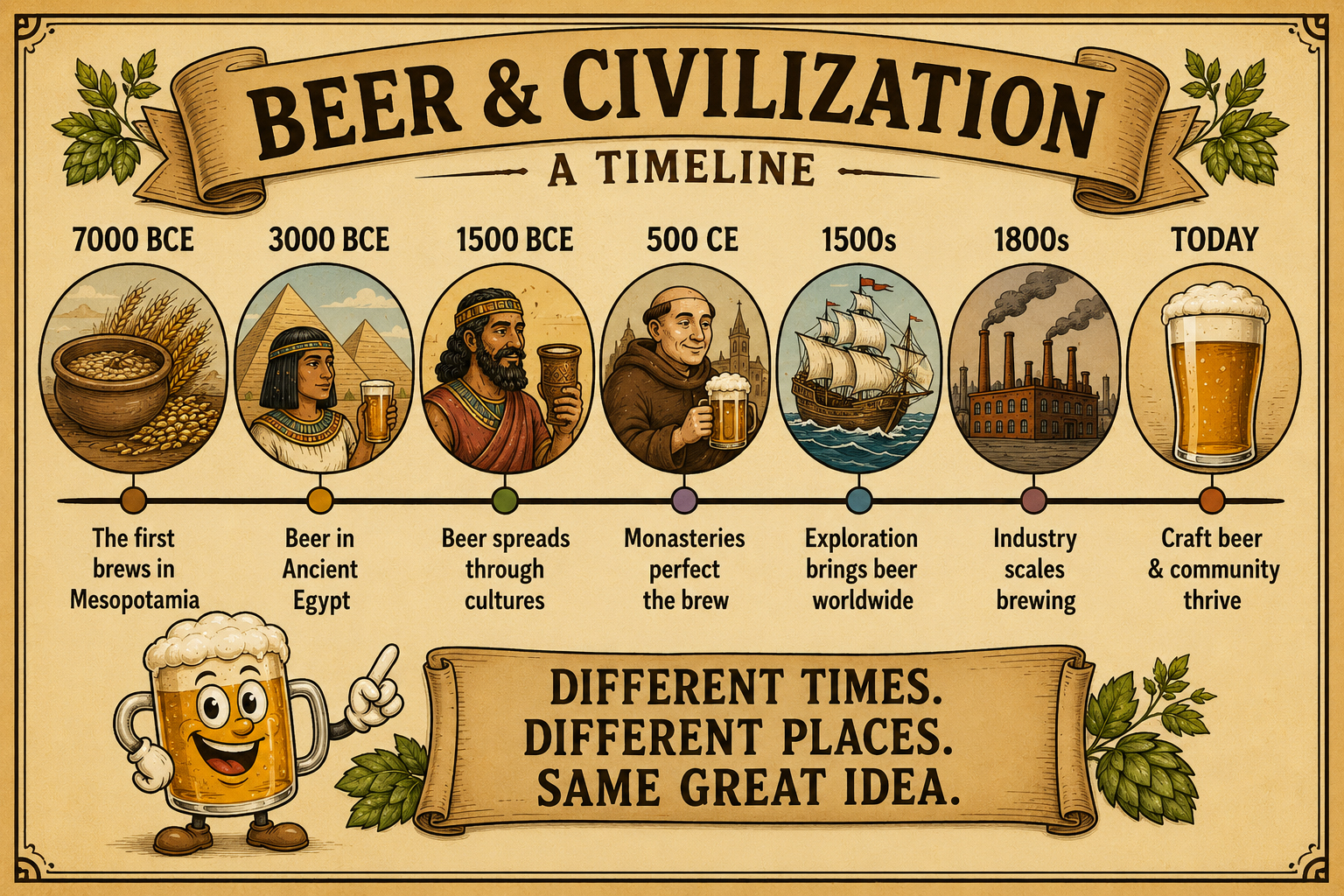
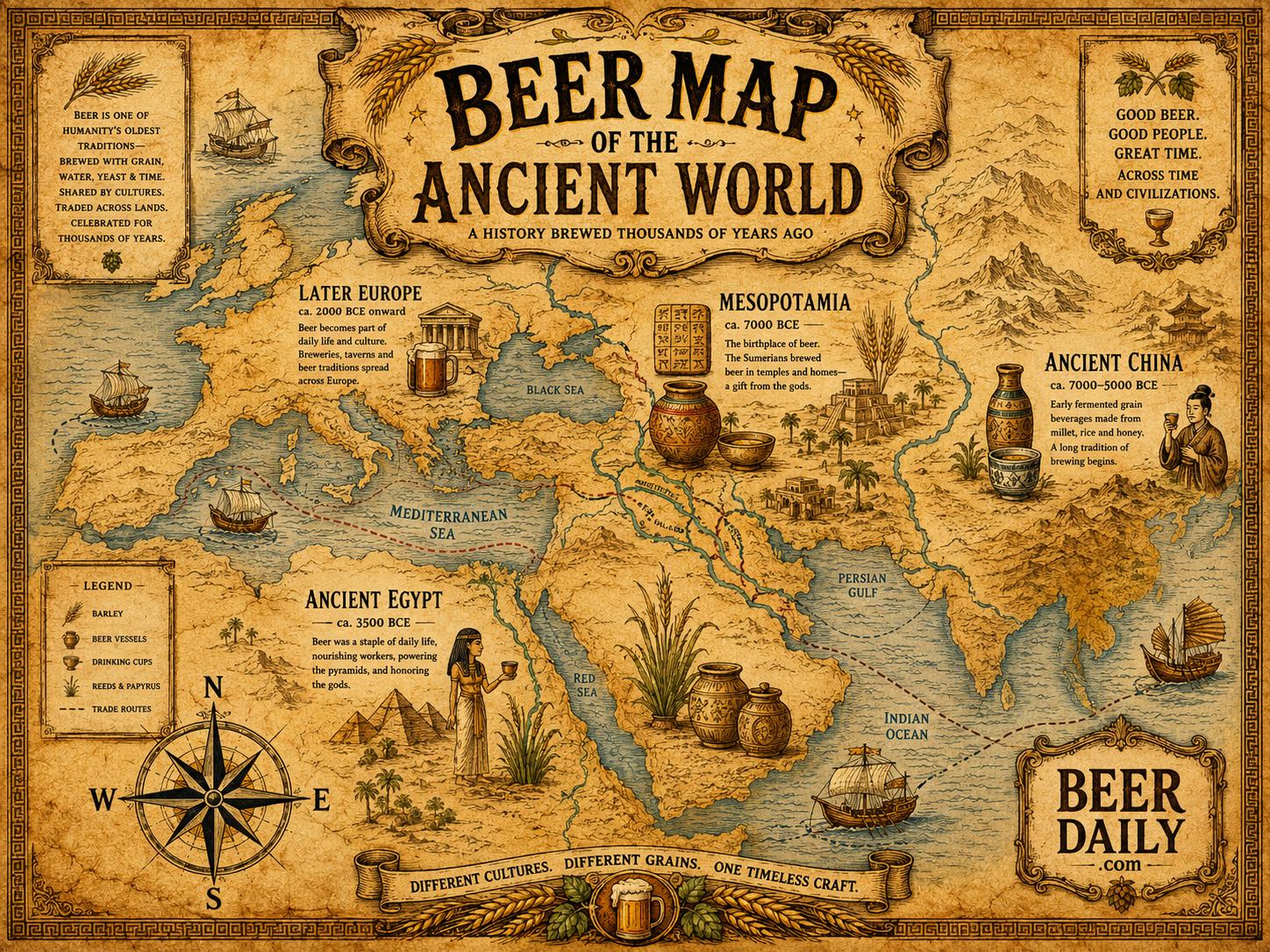
Egypt’s beer tradition belongs beside the larger ancient fermented grain world: Sumerian beer, Babylonian beer accounting, Chinese fermented grain beverages, and many local traditions that probably left little or no written record. Egypt gives us one of the richest windows because its art, tombs, and material culture preserve so much.
The big lesson is that early beer was not a modern category. It was a family of grain fermentation practices adapted to local ingredients, vessels, beliefs, and needs.
Foam Detective correction
Bad beer history often tries to make one simple claim do all the work: “Ancient people drank beer because water was unsafe.” That is too lazy. Water quality mattered in many times and places, but ancient beer was also about grain, nutrition, ritual, labor, taste, economy, storage, and culture.
BeerDaily’s Foam Detective bangs the jar with a reed straw: “Do not reduce an entire civilization’s brewing culture to one meme about bad water.”
The Nile lesson
Beer in Egypt shows how a drink can become part of an entire civilization’s rhythm. The Nile fed the fields. The fields fed the grain stores. The grain stores fed the bakeries and breweries. The breweries fed workers, households, temples, and tomb offerings.
That is why Egyptian beer matters. It was not just a drink beside the Nile. It was the Nile’s grain story in fermented form.