Beer becomes civilization when it gets counted.
A household can make beer quietly. A city cannot stay quiet for long. Cities need systems: grain stores, labor crews, temple kitchens, transport routes, standard measures, trained workers, and administrators who look at a jar and think, “This needs a column on a tablet.”
That is where beer becomes more than a beverage. It becomes a measurable social object. It can be issued, owed, received, stored, promised, taxed, praised, traded, and argued about. Congratulations, beer: you have become paperwork.
The moment beer appears in accounting, it has left the party and joined city hall.
Rations: beer as food and payment
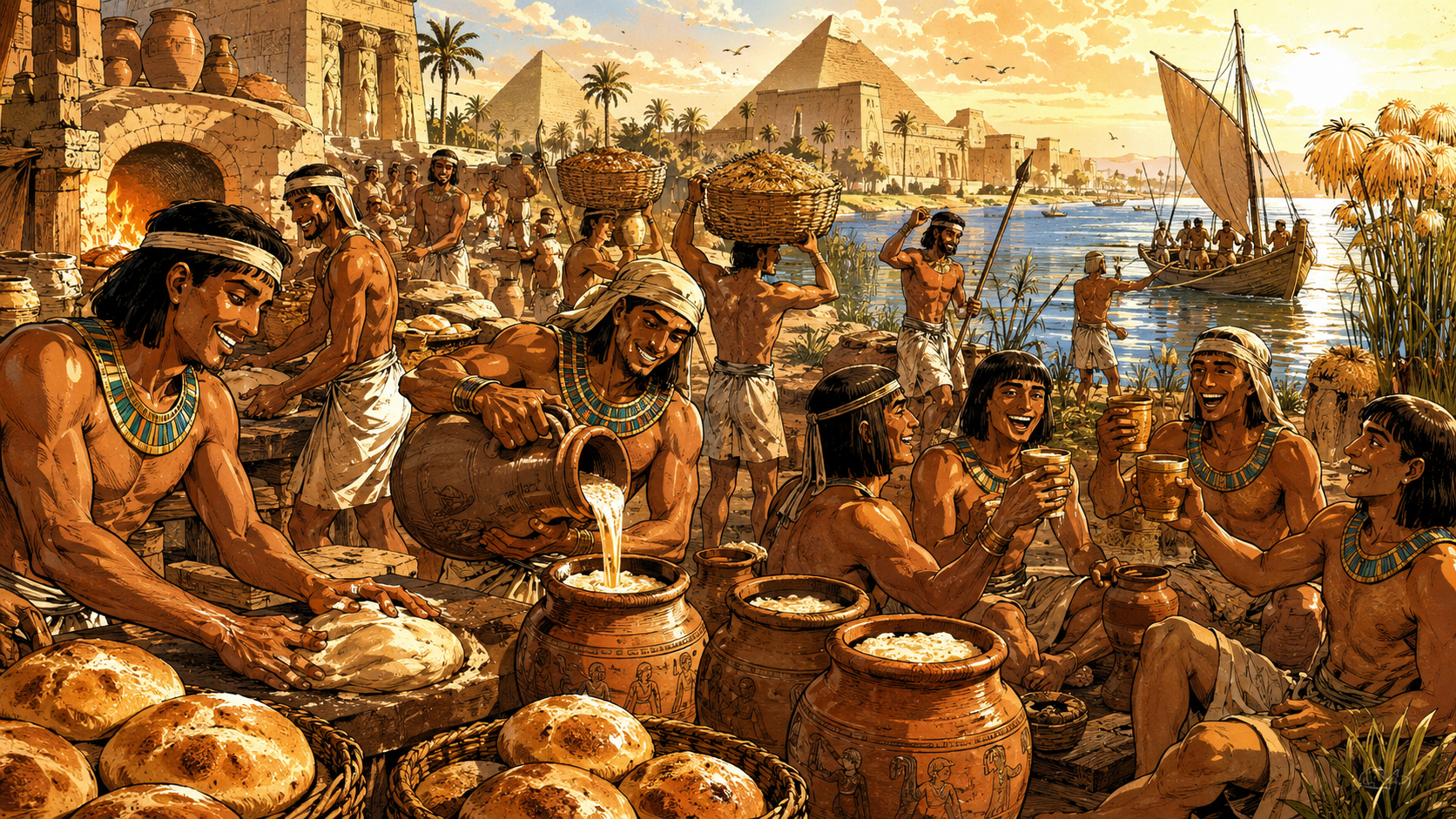
In ancient labor systems, beer could be part of rationing. That does not mean every worker was stumbling around the jobsite. It means fermented grain drink could function as nourishment, compensation, and practical daily provisioning. Beer was calories with culture.
Grain was the foundation. Beer made grain drinkable, shareable, and socially meaningful. A ration of beer could connect fields, storehouses, brewers, workers, supervisors, temples, and households. The mug had a supply chain.
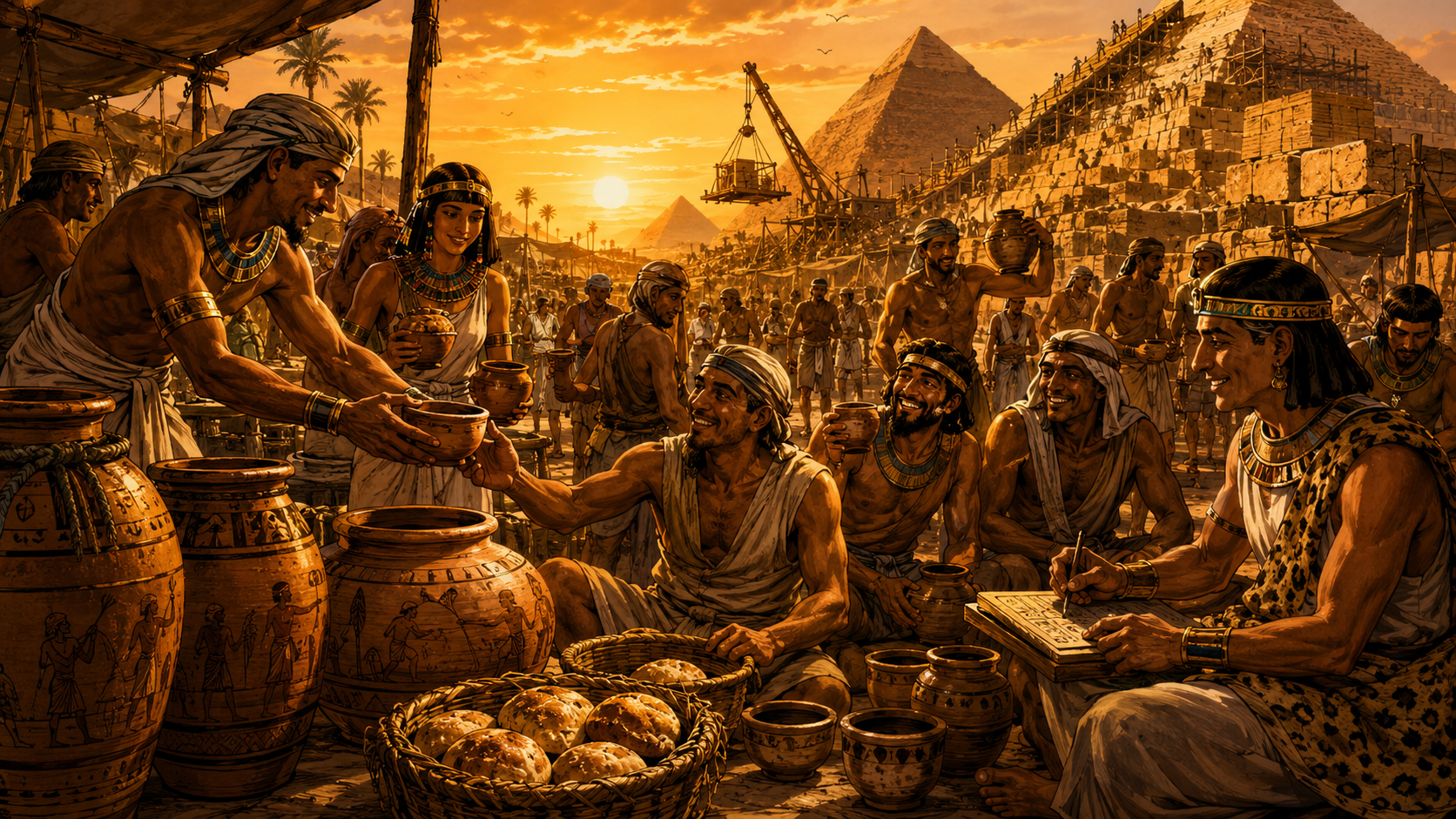
Workers: the labor crew and the jar
Workers built cities, temples, canals, walls, tombs, roads, ships, and storehouses. They needed food, drink, schedule, and compensation. Beer fit into that world because it was made from stored grain and could be distributed as part of daily support.
The funny modern translation is not “ancient happy hour.” It is closer to “human resources, but with barley.” Ancient payroll did not send direct deposit. Sometimes it sent grain. Sometimes it sent beer. Sometimes it probably sent a supervisor who looked exactly like a tax goblin.
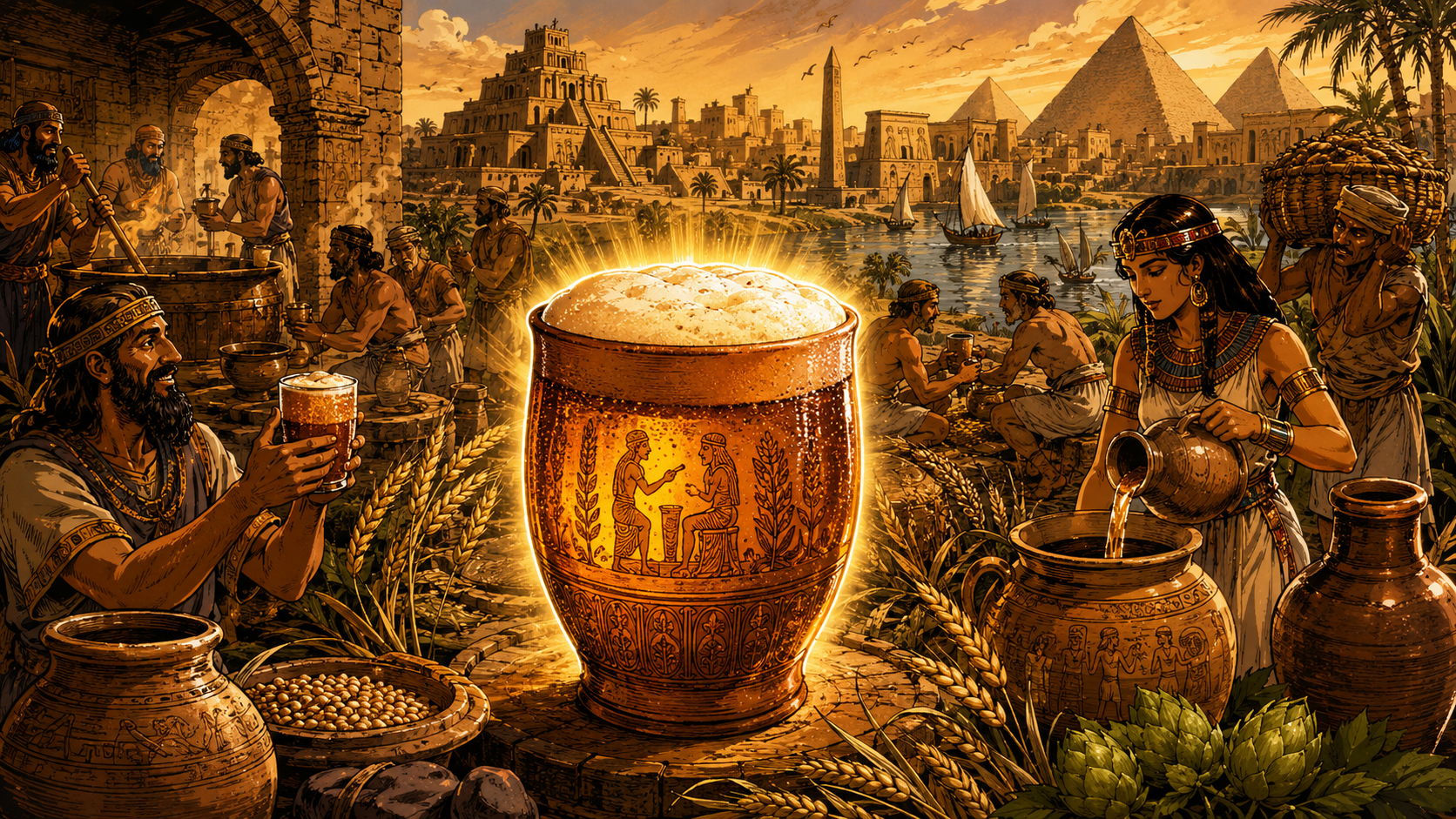
Cities: beer needs infrastructure
Beer depends on systems that cities also depend on. You need grain fields, water access, storage vessels, fuel for heat, skilled labor, repeated techniques, distribution networks, and customers. Beer is not only made in society; it reveals how society is built.
Early cities turned grain into bread, beer, wages, offerings, and political power. Beer was not separate from that system. It sat inside the grain economy, wearing a foam hat and pretending not to be important.
Temples: offerings, kitchens, and divine fermentation
Temples were not only religious spaces. They could be economic centers, storage centers, landholders, employers, and distributors of food and drink. Beer belonged naturally in this world because it could be offered, consumed, recorded, and connected to divine favor.
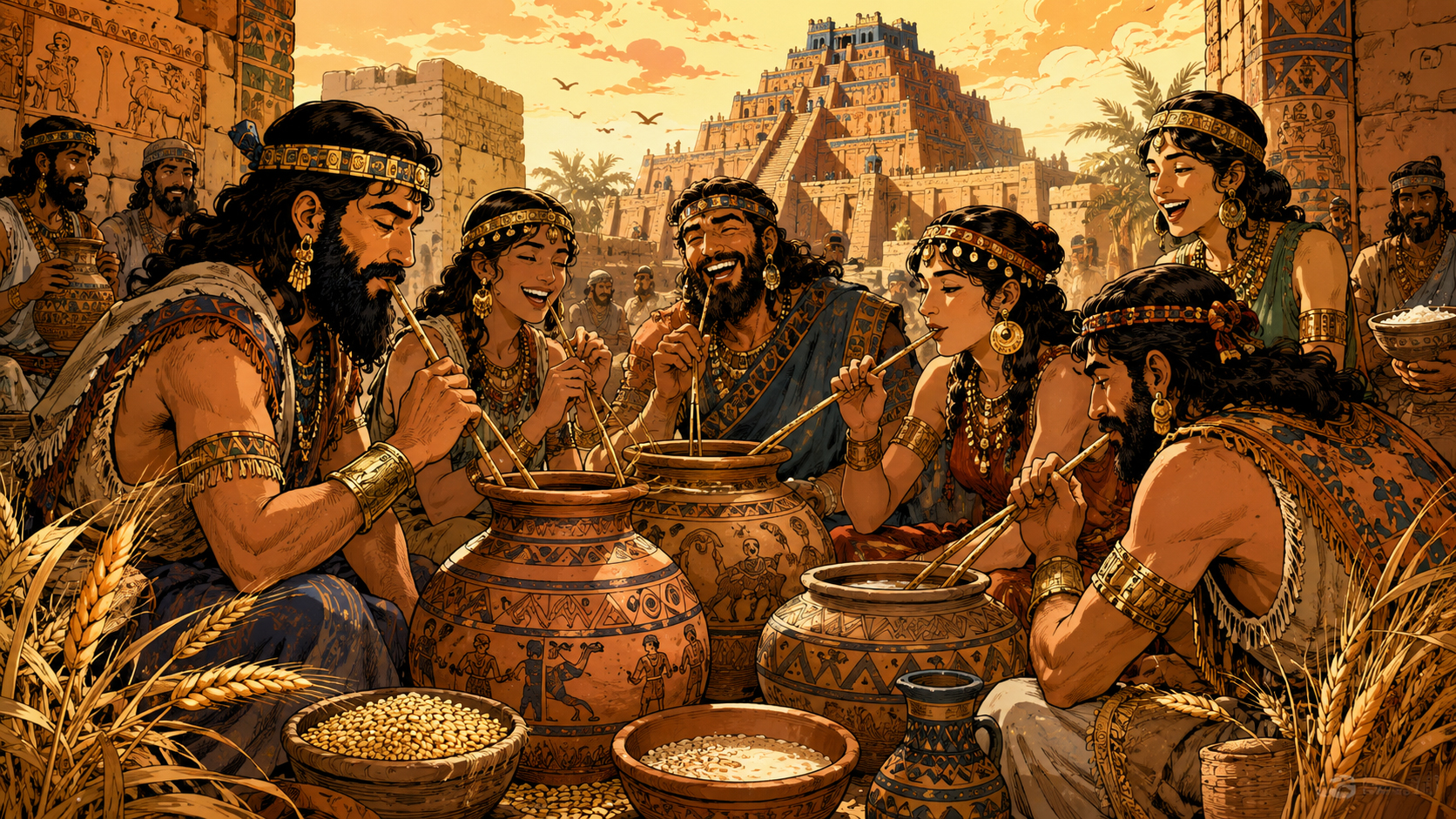
In Mesopotamia, beer’s connection to Ninkasi shows the religious imagination around brewing. A drink made from grain, water, labor, and invisible transformation was easy to understand as sacred. Fermentation looks like a miracle when the yeast refuses to introduce itself.
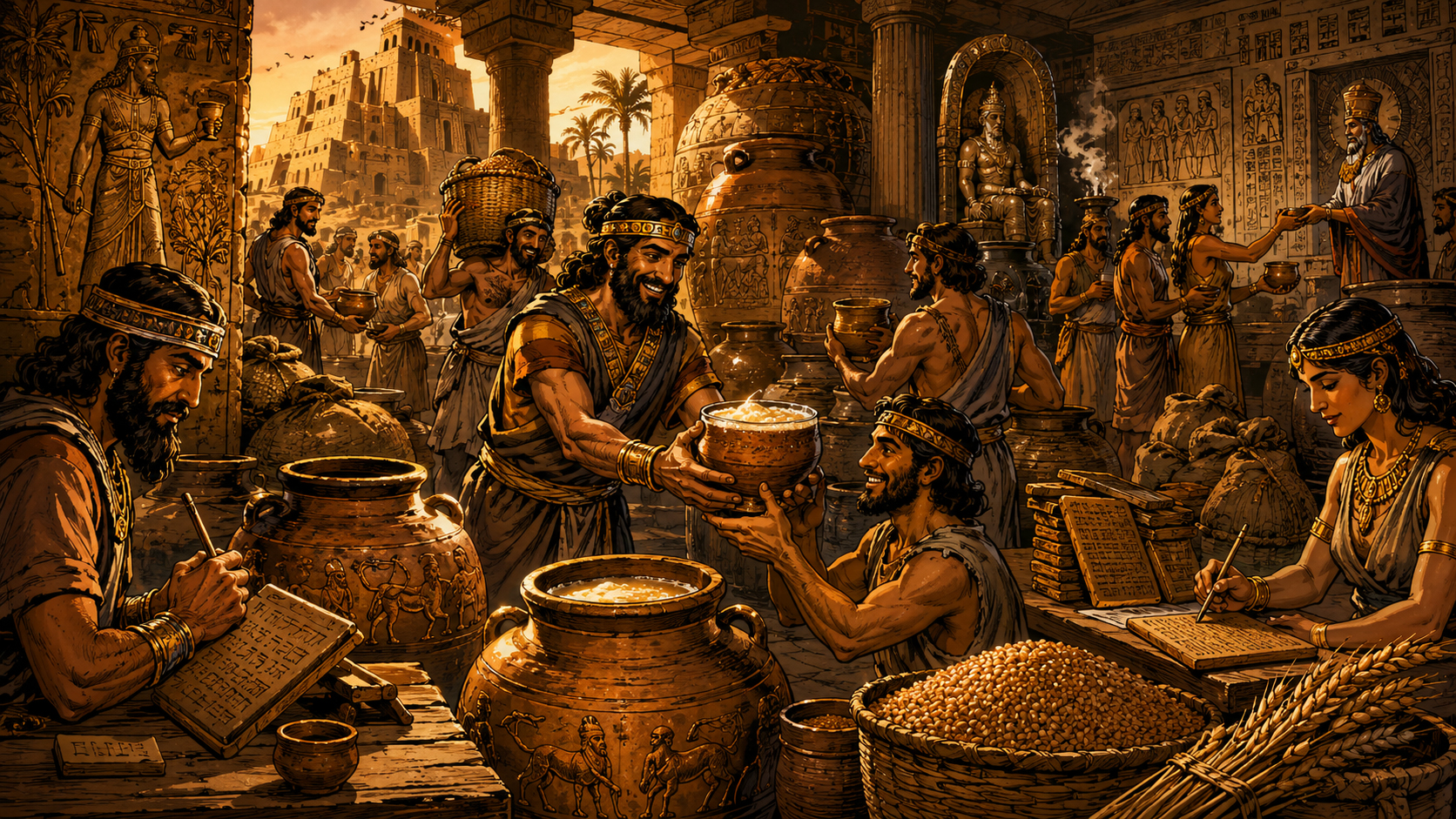
Scribes: the real bouncers of beer history
Scribes gave beer durability in the historical record. A brew can disappear in an evening, but a tablet can outlast empires. When beer appears in texts, lists, laws, hymns, and accounts, we get evidence that it was economically and culturally important.
The scribe is BeerDaily’s underrated hero. Brewers made the beer. Drinkers drank the beer. Scribes made sure future historians could point at the evidence and say, “Yes, the jar mattered.”
Beer and hierarchy
Beer could bring people together, but it also reflected status and control. Who produced it? Who distributed it? Who received it? Who regulated it? Who got the better portion? Who paid tax on it? Who could operate a tavern? Beer history is not only cheerful; it is also economic history.
The same drink can be communal and controlled. It can be festive and bureaucratic. It can be a worker ration and a temple offering. That tension is why beer is such a useful historical lens. It does not stay in one box.
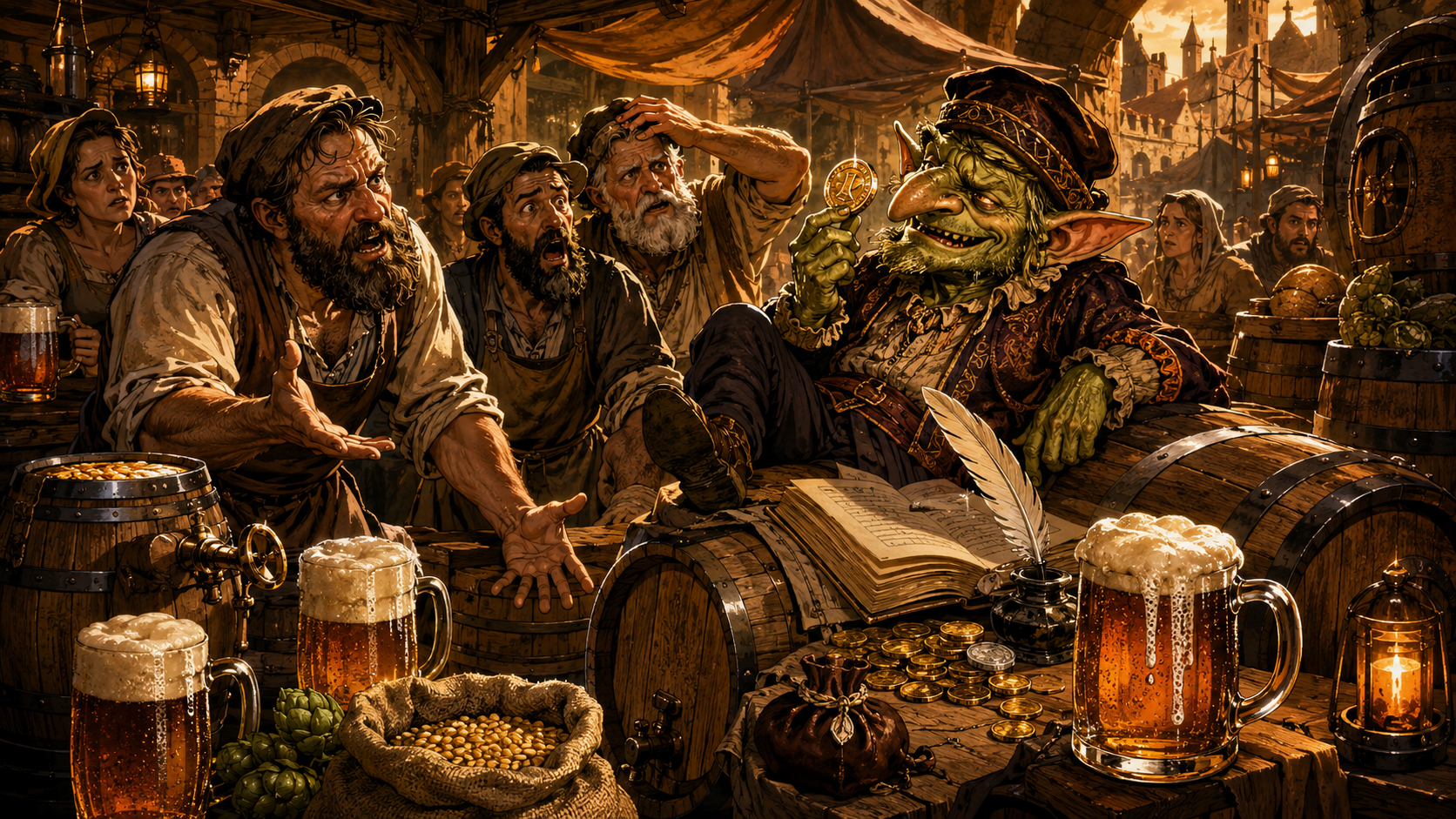
Beer as urban glue
Beer gathered people around shared vessels, taverns, festivals, kitchens, breweries, markets, and rituals. It helped turn grain into social time. Drinking together could mark work, worship, hospitality, celebration, and negotiation.
That does not mean beer created civilization by itself. BeerDaily is not handing civilization a fake foam crown. But beer did participate in the everyday systems that made settled life work: agriculture, storage, labor, accounting, ritual, and community.

The big idea
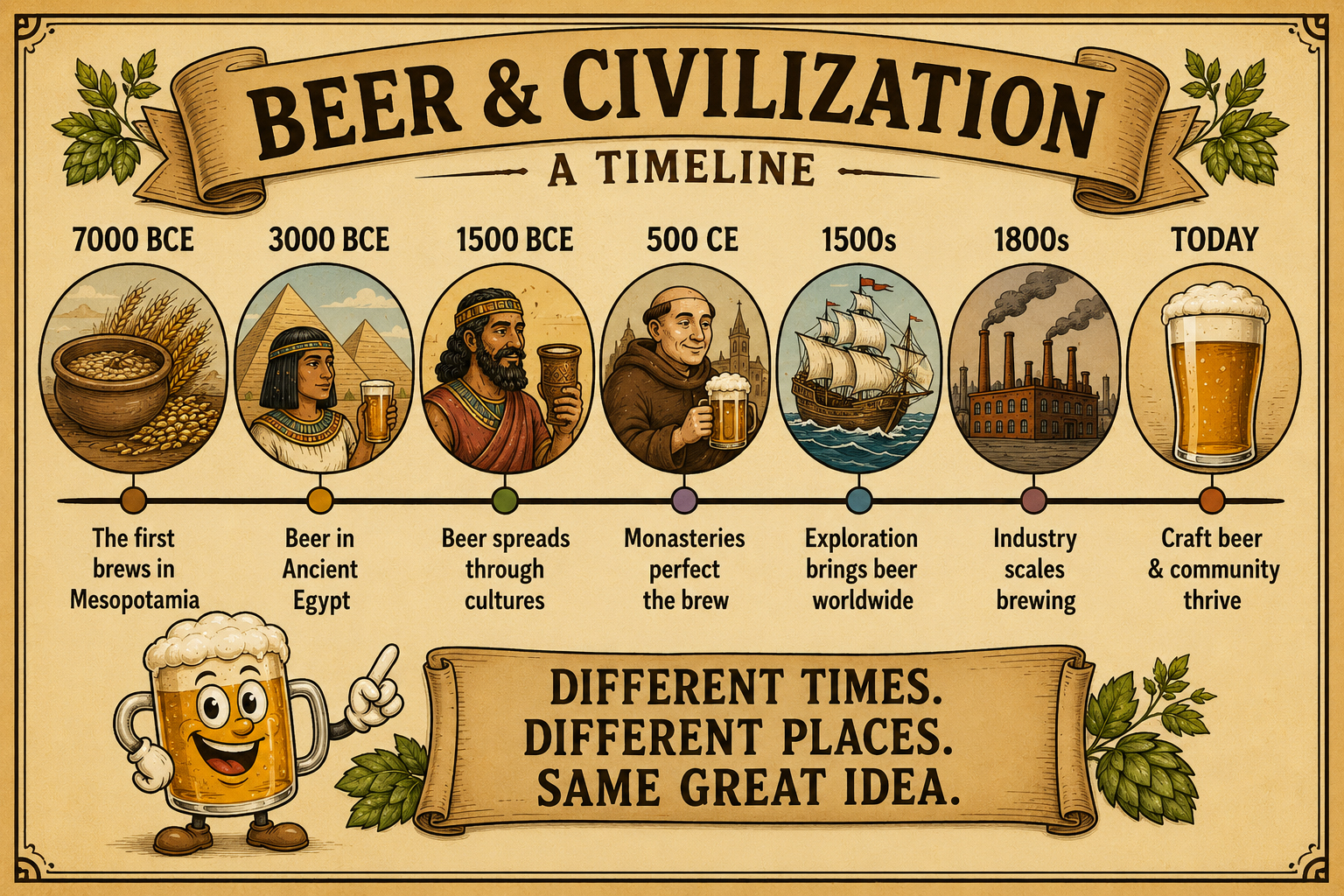
Beer matters to civilization because it sits at the intersection of food, work, religion, law, and technology. It is grain transformed by process and culture. When you follow beer carefully, you find fields, kilns, temples, workers, scribes, merchants, sailors, tax collectors, monks, scientists, industrialists, and craft brewers.
That is the true history of beer: not just foam, not just fun, not just flavor, but a long story of humans organizing the natural world into something shared.