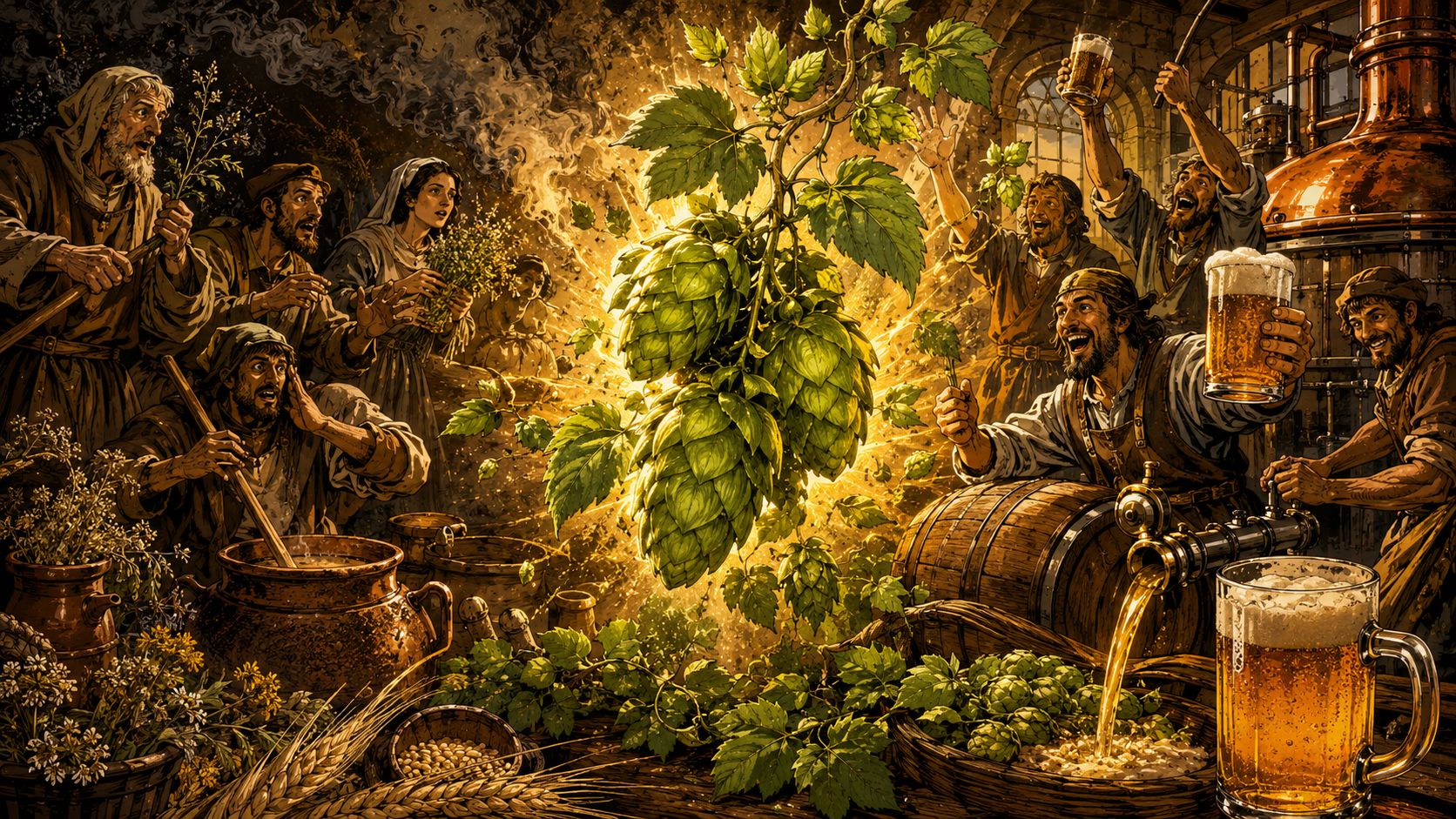
Hops were not always assumed.
Today, many drinkers treat hops as one of beer’s automatic ingredients. But for much of beer history, hopped beer was only one possibility among many. Earlier brewers used herbs, gruit mixtures, smoke, fruit, spices, honey, local plants, and wild fermentation character to shape flavor.
Hops became dominant because they were unusually useful. They brought bitterness to balance malt sweetness. They added aroma. They helped beer resist spoilage. They gave brewers a repeatable tool. That combination was powerful enough to rearrange beer history.
The hop cone walked into beer history and said, “I can fix sweetness, spoilage, and marketing.”
Preservation: the practical superpower
Beer spoils. Heat, oxygen, poor sanitation, wild microbes, and time can all cause problems. Before mechanical refrigeration, pasteurization, stainless steel, sealed packaging, and modern microbiology, keeping beer stable was a serious challenge.
Hops helped. Their compounds can make beer less hospitable to some spoilage organisms, and their bitterness helped balance sweet malt flavors. That made hopped beer valuable when beer needed to last longer, travel farther, or behave more predictably.

Bitterness: balance in the glass
Malt gives beer sweetness, body, bread, toast, caramel, roast, and grain character. Without balance, beer can become heavy or cloying. Hops provide bitterness that cuts through malt sweetness and makes the beer feel more drinkable.
This does not mean every beer should be bitter enough to fight a lawnmower. Bitterness is a tool. In some beers it whispers. In some beers it kicks down the tavern door yelling, “I brought grapefruit and pine.”

Aroma: the hop’s second act
Hops are not only bitter. Depending on variety, timing, and brewing method, hops can bring floral, herbal, spicy, earthy, citrus, pine, tropical fruit, berry, tea, resin, and grassy notes. This aromatic range became a major playground for brewers.
Earlier beer traditions had their own aromatic worlds through herbs, smoke, fruit, and fermentation character. Hops did not make beer interesting for the first time. They made a particular kind of beer interest easier to cultivate, repeat, and trade.
Trade: beer leaves the neighborhood
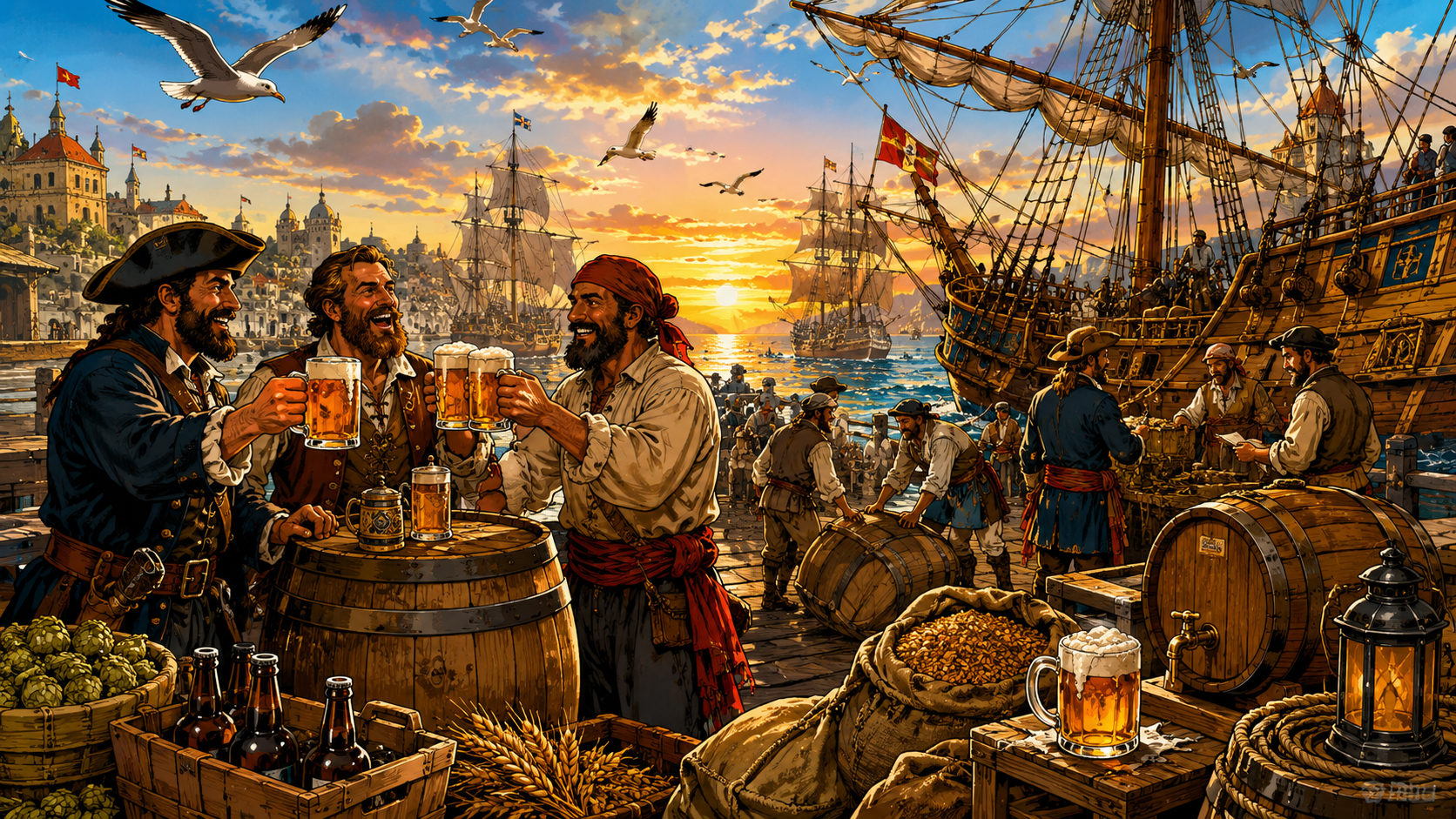
A beer that keeps better can move farther. That matters. Trade changes beer. Longer storage and travel create pressure for stability, stronger brewing practices, better packaging, and more predictable ingredients.
Hops helped beer participate in larger commercial networks. Beer could move from local household or town production toward regional and eventually industrial systems. The hop cone helped beer get a passport.
Taxation: the government notices the kettle
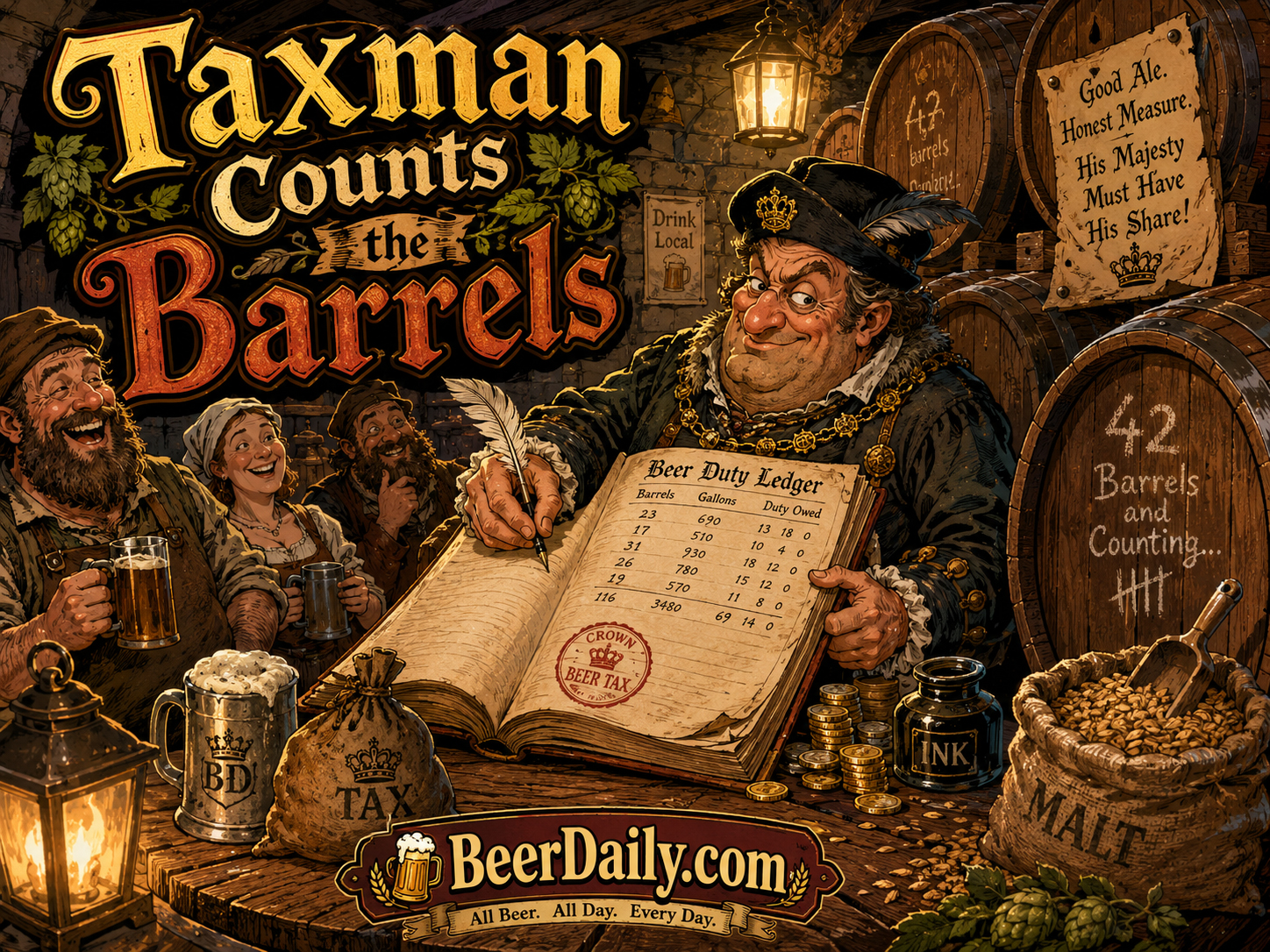
Once beer becomes commercial, rulers and authorities get interested. Brewing ingredients, gruit rights, hop use, taverns, barrels, imports, sales, and production could all become targets for regulation or taxation.
The hop’s rise was not only a flavor story. It was also an economic story. When hopped beer became more tradable and durable, it became easier to standardize, count, regulate, ship, sell, and tax. Somewhere nearby, a taxman adjusted his hat and smiled too much.
Hops versus gruit
In parts of Europe, gruit mixtures of herbs had long been used to flavor beer. Gruit could also be tied to local rights and revenue. The spread of hops challenged these older systems because hops offered a powerful brewing alternative and changed the economics of flavor.
This was not simply a taste test. It was a contest among agriculture, brewing practice, regulation, taxation, trade, and consumer preference. The hop cone did not politely ask the gruit cabinet for permission. It brought bitterness and started rearranging the shelves.

Hops made beer more recognizable.
Because hops became so widely used, many people today recognize hopped bitterness and aroma as “beer-like.” That is historically interesting. What feels normal in a modern glass is the result of centuries of ingredient choice, trade, regulation, and taste adaptation.
The modern drinker’s expectation was built over time. Beer did not always taste like today’s beer. Hops helped create the flavor memory many people now associate with beer itself.
The IPA myth trap
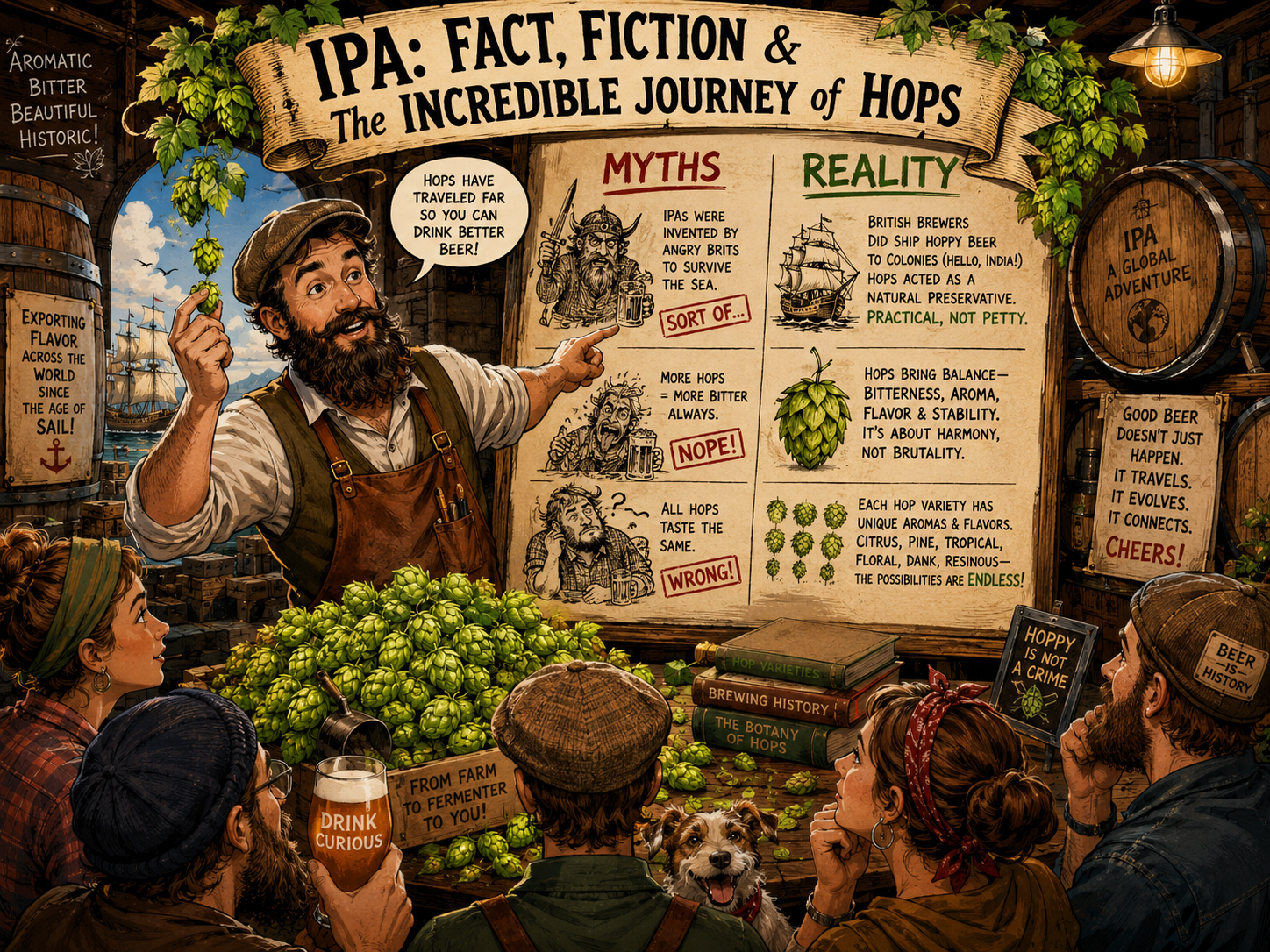
Hops also attract myths, especially around IPA history. BeerDaily loves a dramatic hop story, but not every hop tale survives inspection. Hops helped preserve beer, yes. Trade mattered, yes. But beer history is usually more complicated than one heroic origin story.
The Foam Detective’s rule: enjoy the legend, then check the ledger.
Hop agriculture: the field behind the glass
Hops are crops. That means hop history is also farm history: land, climate, harvest timing, drying, storage, transport, markets, pests, varieties, and labor. The hop in the glass began as a plant in a field, not a flavor word on a menu.
Once brewers wanted reliable hops, growers had reason to cultivate them, improve them, move them, dry them, and sell them. Beer flavor and farm economics grew together.
Modern hops: from preservative tool to flavor fireworks
In modern craft brewing, hops have become a creative universe. Brewers use different varieties, timing, dry hopping, whirlpool additions, hop extracts, and careful handling to build aroma and flavor. The hop cone has gone from practical preservative ally to full-blown flavor celebrity.
BeerDaily respects the hop. BeerDaily also reminds the hop not to block everyone else in the group photo. Grain, water, yeast, time, temperature, and storage are still in the band.

The big lesson
Hops changed beer because they solved multiple problems at once. They helped beer keep, balanced malt sweetness, added aroma, supported trade, encouraged agricultural systems, and became part of beer’s legal and commercial identity.
Beer before hops was diverse. Beer after hops became more stable, more bitter, more transportable, and eventually more familiar to modern drinkers. The hop cone did not invent beer. It changed beer’s map.