Lager means storage.
The word “lager” comes from the idea of storing beer. That storage was not passive. Cold storage changed the beer. It allowed flavors to settle, yeast to behave differently, harsh edges to soften, and the finished drink to become cleaner and more stable.
In BeerDaily terms: ale is often the lively tavern storyteller. Lager is the calm person in the cellar quietly organizing the entire room.
Lager is what happens when beer gets a blanket, a cave, and several weeks to think about itself.
Cold fermentation changed yeast behavior.
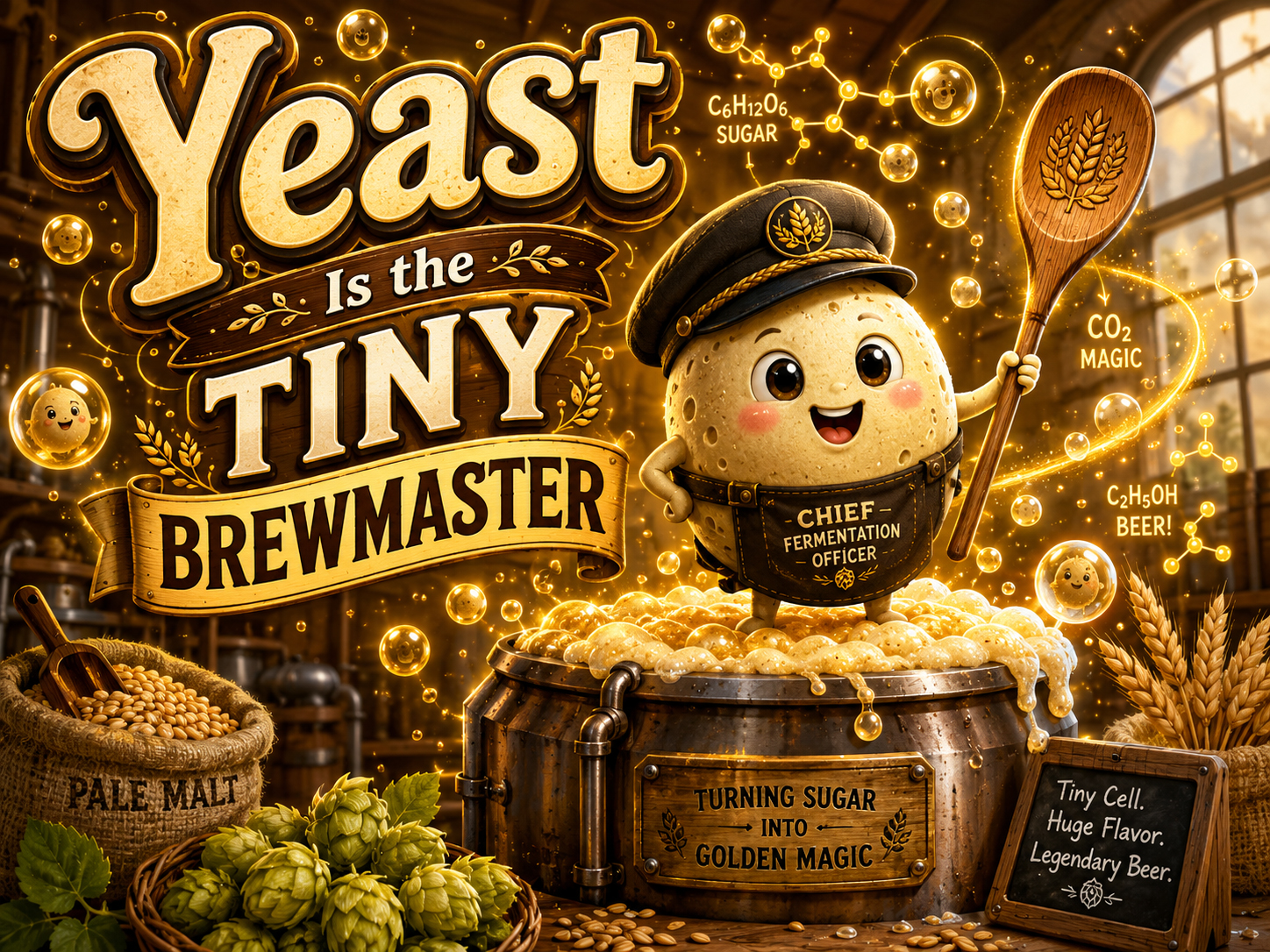
Yeast is the true brewmaster, and temperature tells yeast how dramatic to be. Warmer fermentations often produce more expressive fruity or spicy character. Cooler fermentations tend to be slower and cleaner when managed well.
Lager yeast thrives in cooler conditions and works with patience. The result can be crisp, clean, smooth, and subtle. That subtlety became one of lager’s greatest powers. It tasted modern before modern industry fully arrived.
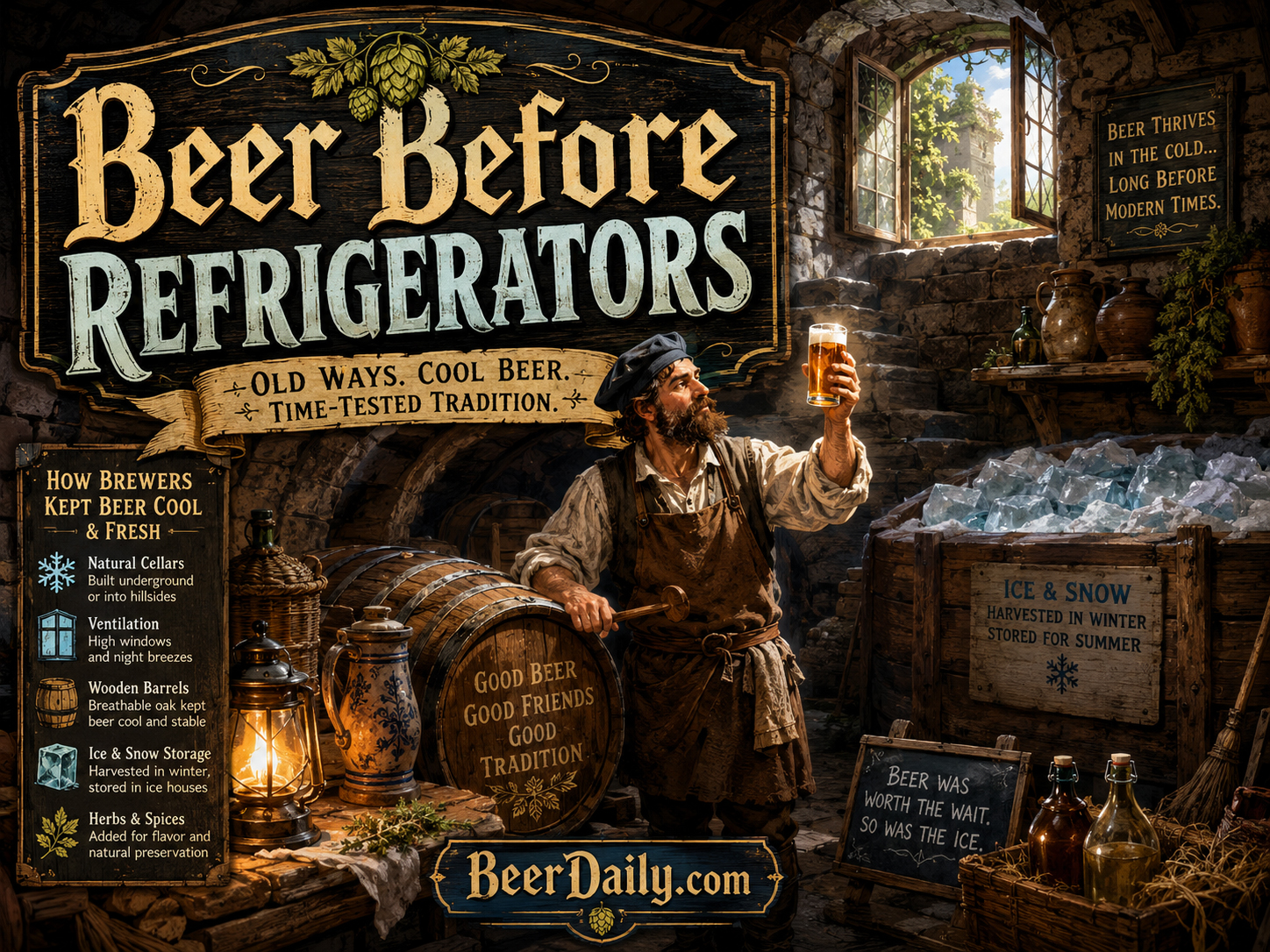
Caves and cellars were early refrigeration.
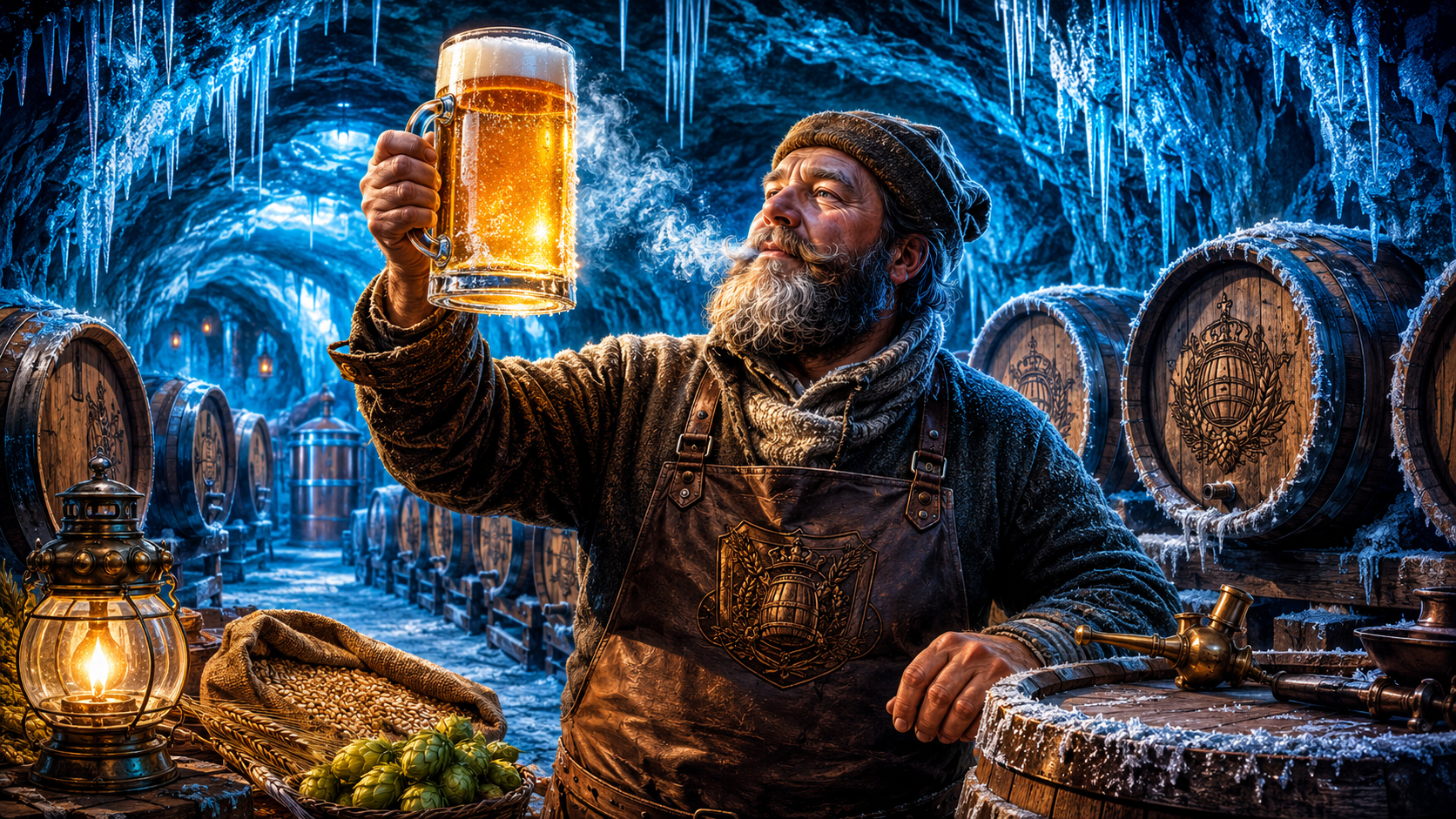
Before compressors, coils, thermometers, and cold rooms, brewers used the landscape. Caves, stone cellars, shaded underground storage, mountain climates, winter brewing, and harvested ice all helped create colder brewing conditions.
These spaces were not romantic decorations. They were brewing tools. A cave could protect beer from heat, slow spoilage, support maturation, and help brewers repeat a cleaner process.

The cold cellar made patience profitable.
Lager requires time. Time costs money, space, storage, and planning. A brewer must tie up beer in cold storage instead of selling it immediately. That means lager is not only a flavor story. It is also a business and infrastructure story.
To lager properly, you need controlled storage and enough confidence to wait. The beer sits there silently while the accountant stares at the barrels and mutters, “Could you please become revenue faster?”
Clean beer became a modern ideal.
Lagers helped popularize the idea of clean, bright, stable beer. That does not mean older beers were bad. It means industrializing societies increasingly valued consistency, clarity, shelf life, and predictable flavor.
When glassware, urban markets, railroads, refrigeration, and industrial brewing expanded, clean lager fit the moment. It looked refined. It tasted consistent. It could travel. It became the beer of modern systems.
Refrigeration changed the map.
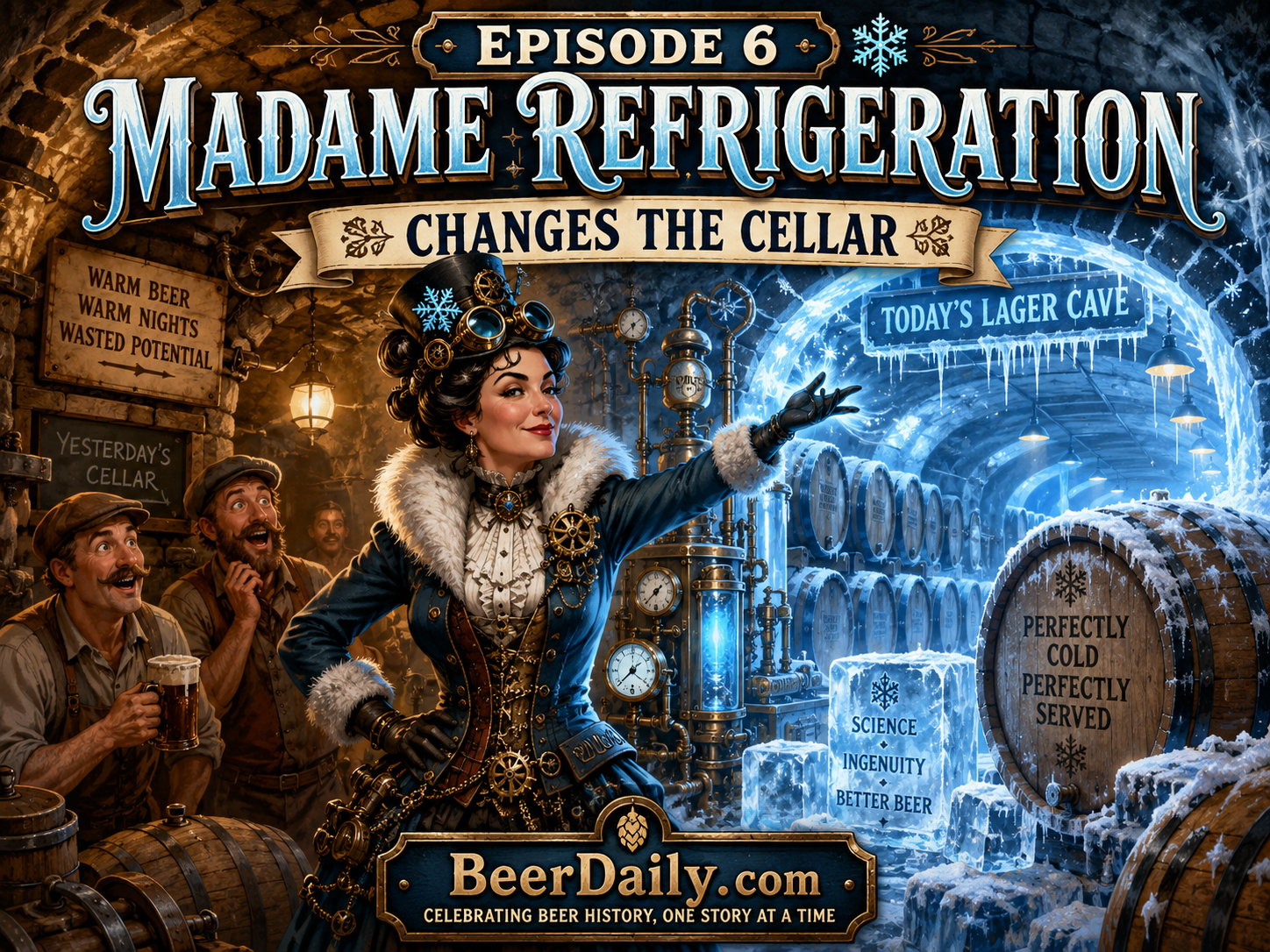
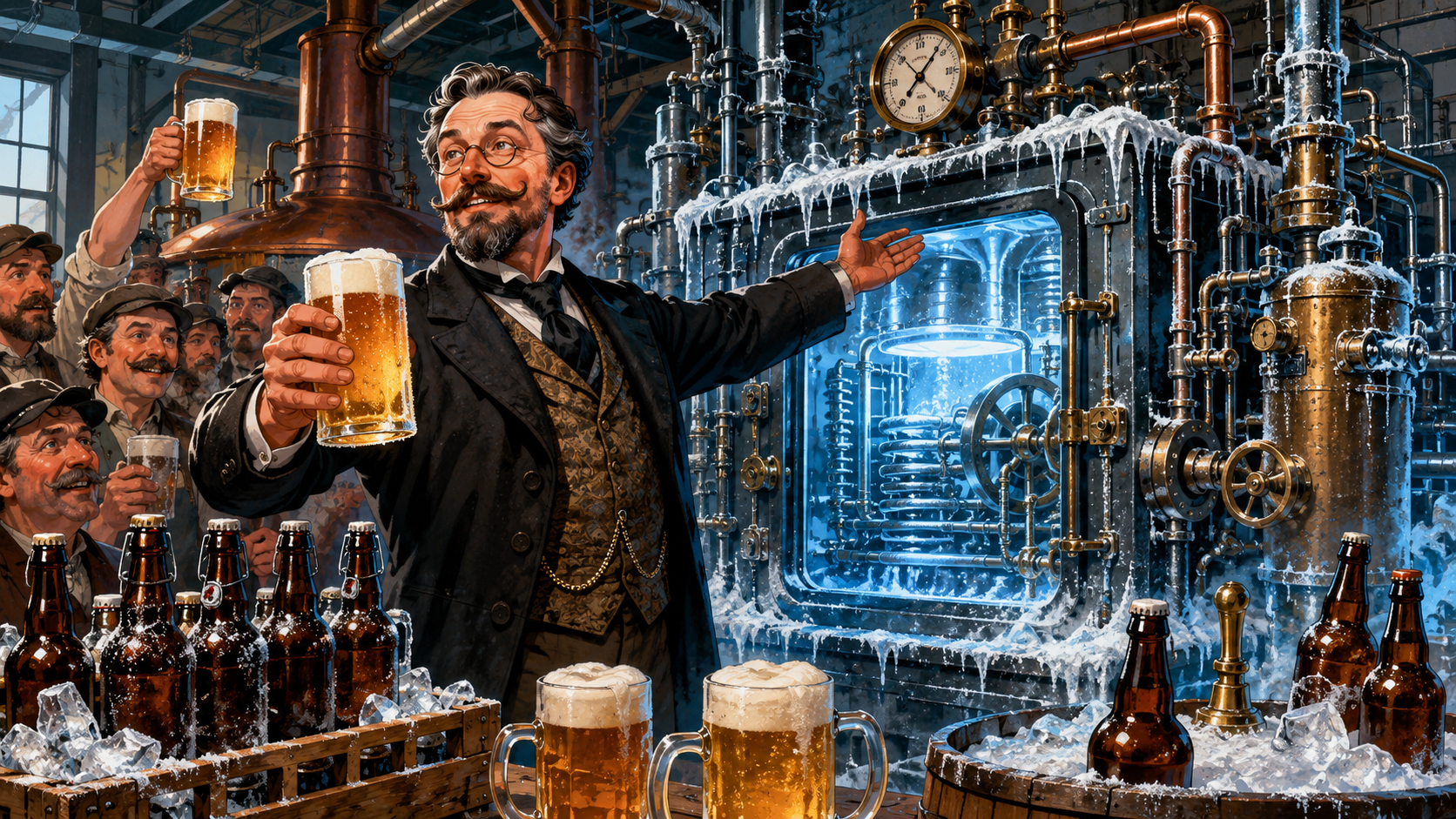
Mechanical refrigeration freed lager from strict dependence on caves, seasons, and naturally cold places. Brewers could create cold conditions more reliably and in more locations. This helped lager brewing expand dramatically.
Refrigeration was not a minor upgrade. It changed what could be brewed, where it could be brewed, when it could be brewed, and how consistently it could be brewed. Cold stopped being local luck and became engineered power.
Railroads, glass, and lager’s big break
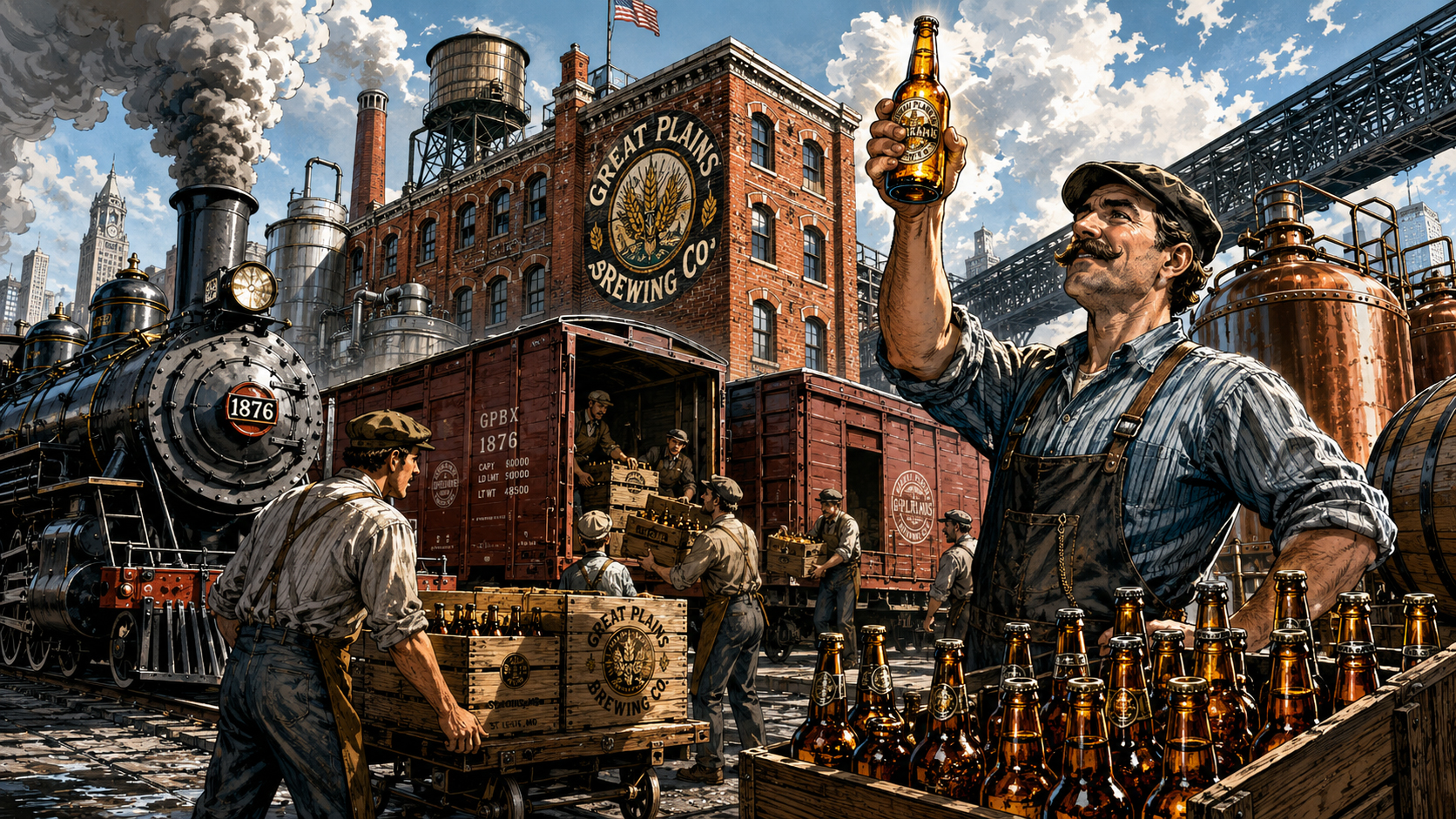
Lager’s rise also depended on transportation and packaging. Railroads moved beer and ingredients. Glass made clear, golden beer visually attractive. Industrial bottling and later cans helped expand distribution. Refrigeration supported storage and transport.
The cold beer in the glass was backed by a warm pile of infrastructure: factories, tracks, ice plants, bottles, labels, warehouses, and sales routes. Beer got modern by building a logistics army.
Pilsner and the golden beer imagination
Pale lager helped reshape what many people expected beer to look like. A bright golden beer in a clear glass became a powerful visual symbol. It looked clean, modern, refreshing, and technically impressive.
This was not just taste. It was appearance, technology, and marketing. Clear glass and pale malt made beer visible in a new way. The public could see the beer and judge it. Cloudiness had to explain itself. Golden clarity walked into the room wearing a crown.
Lager versus ale is not good versus bad.
The Foam Detective becomes very annoyed when people treat lager and ale like a quality ranking. They are families of fermentation traditions, not moral categories. A great lager can be subtle and brilliant. A great ale can be expressive and complex. A bad version of either can be tragic.
The difference is partly yeast, temperature, process, timing, and tradition. The better question is not “which is better?” The better question is “what is this beer trying to do, and did it do it well?”
Industrial lager: triumph and flattening
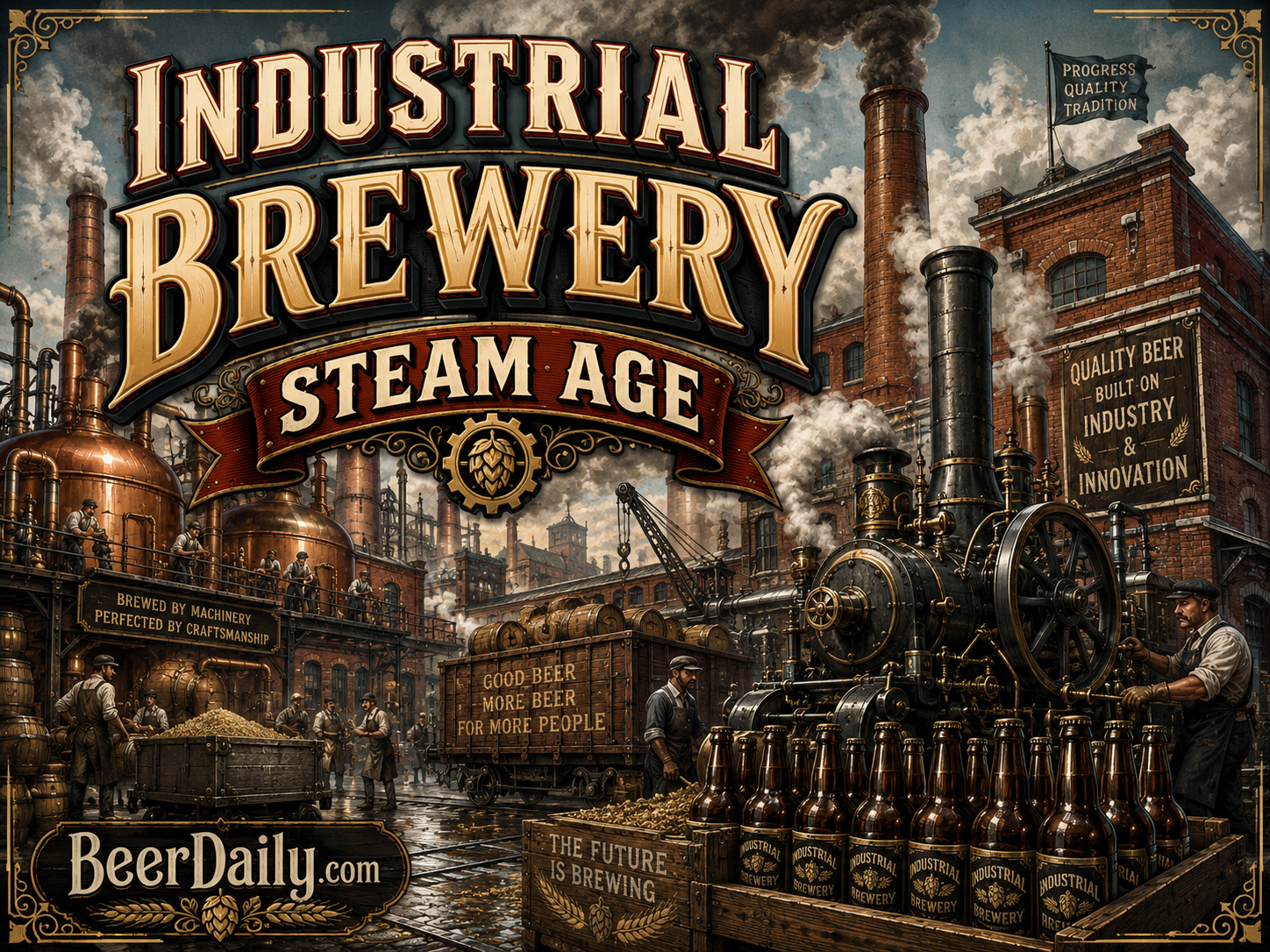
Lager’s industrial success made beer more consistent and widely available, but it also encouraged standardization. Huge breweries could produce stable, light, familiar beer at enormous scale. That helped create global beer brands and a shared expectation of what “beer” looked and tasted like.
The downside was flattening. Regional variety could be pushed aside by mass production. A beer world once full of local strangeness could become a world where many beers tasted suspiciously like the same polite handshake.
Craft beer brought lager back into the conversation.
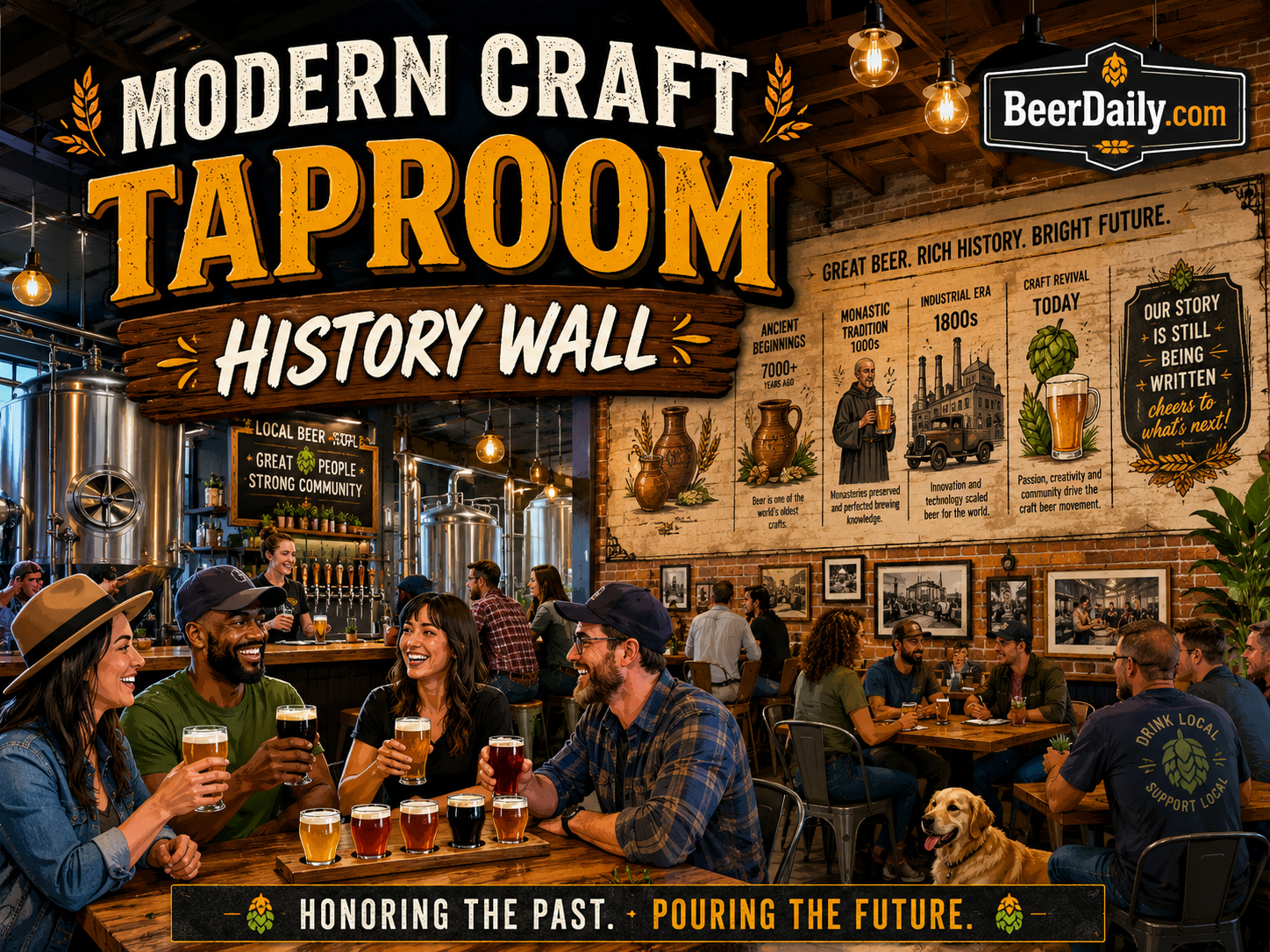
Modern craft brewing often became famous for bold ales, IPAs, stouts, sours, and experimental styles. But lager never disappeared. In fact, many brewers respect lager because it gives them fewer places to hide. A clean lager exposes process quality.
Making an excellent lager is like wearing a white shirt while eating spaghetti: mistakes show. That is why many brewers treat lager as a test of discipline, patience, and precision.
The lager lesson
Lager changed beer because it made cold a central brewing tool. It turned caves into process, patience into flavor, refrigeration into industry, and clean beer into a global expectation.
Beer history before lager was rich and diverse. Beer history after lager became colder, cleaner, more industrial, more mobile, and more modern. The revolution did not shout. It chilled.