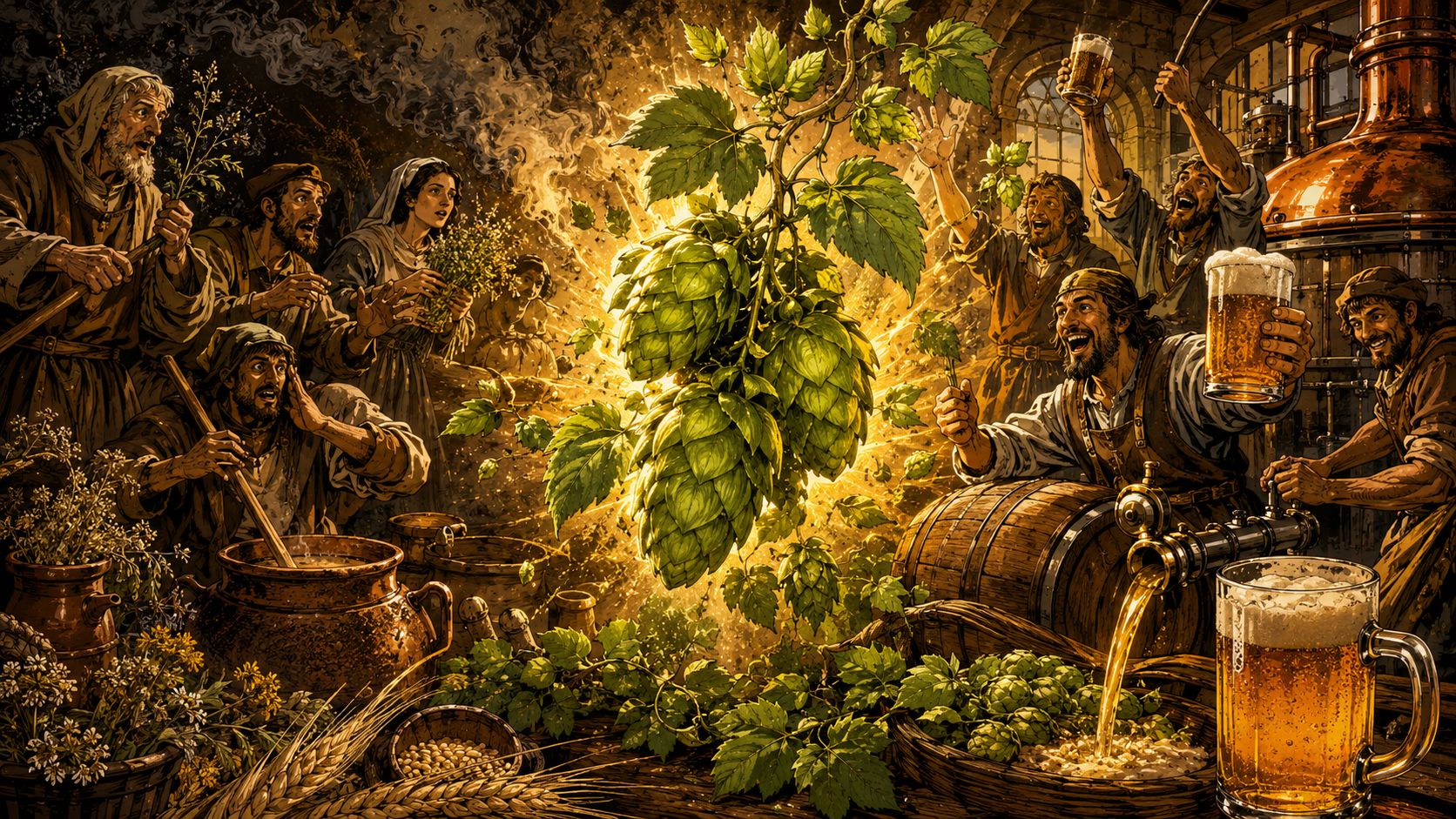
Hops were not always the star.
Modern beer often treats hops as the main character. Hops bring bitterness, aroma, stability, and a whole vocabulary of citrus, pine, spice, flowers, grass, resin, tropical fruit, and “someone just opened a lawn mower inside a grapefruit.”
But for much of beer history, brewers had many other tools. They used local plants, household traditions, regional customs, and whatever the landscape made available. The result was not one universal beer flavor. It was a wide field of fermented grain possibilities.
Before hops ruled the kettle, beer was a botanical argument in a jar.
Gruit: the mysterious herb mix
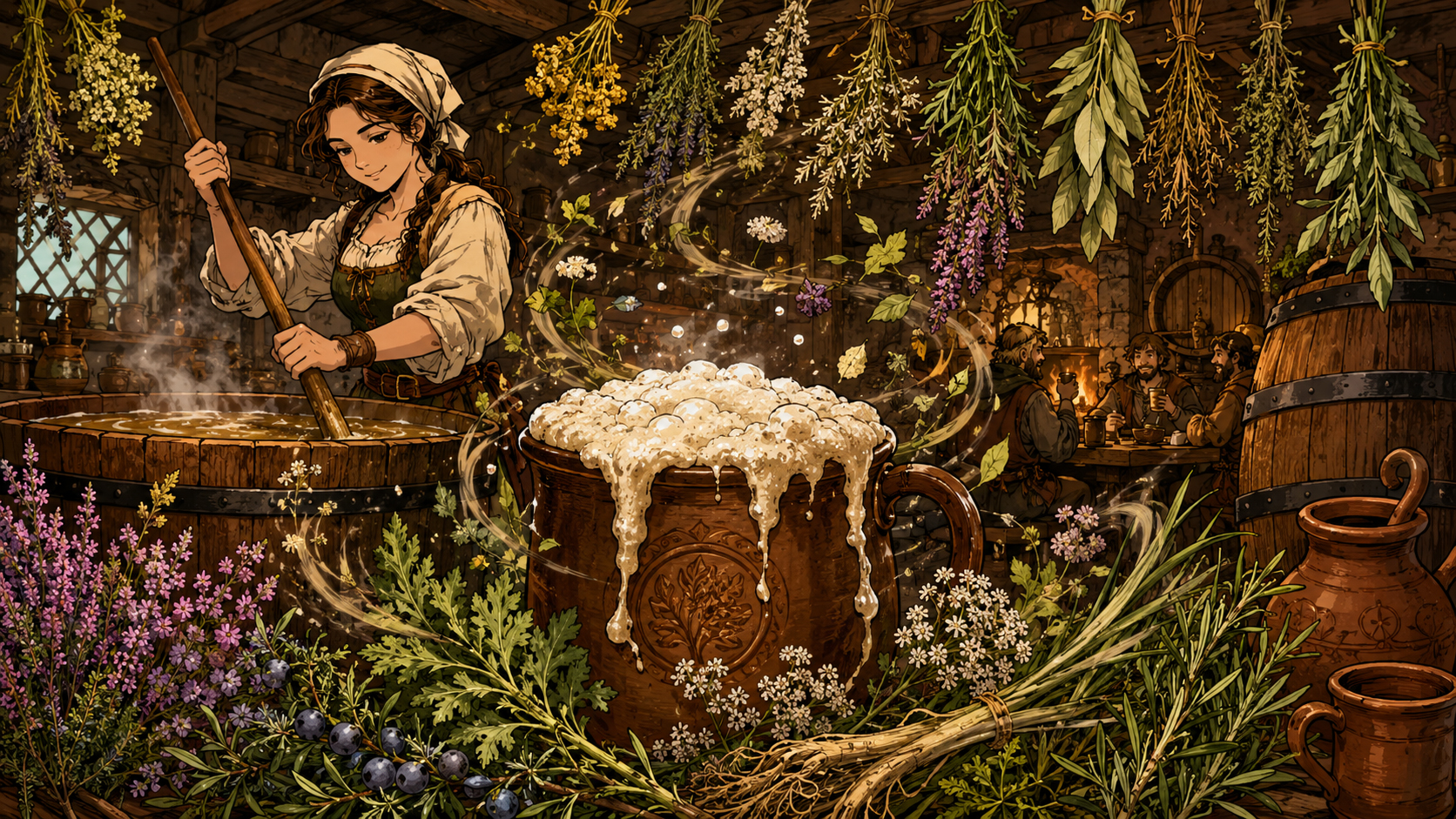
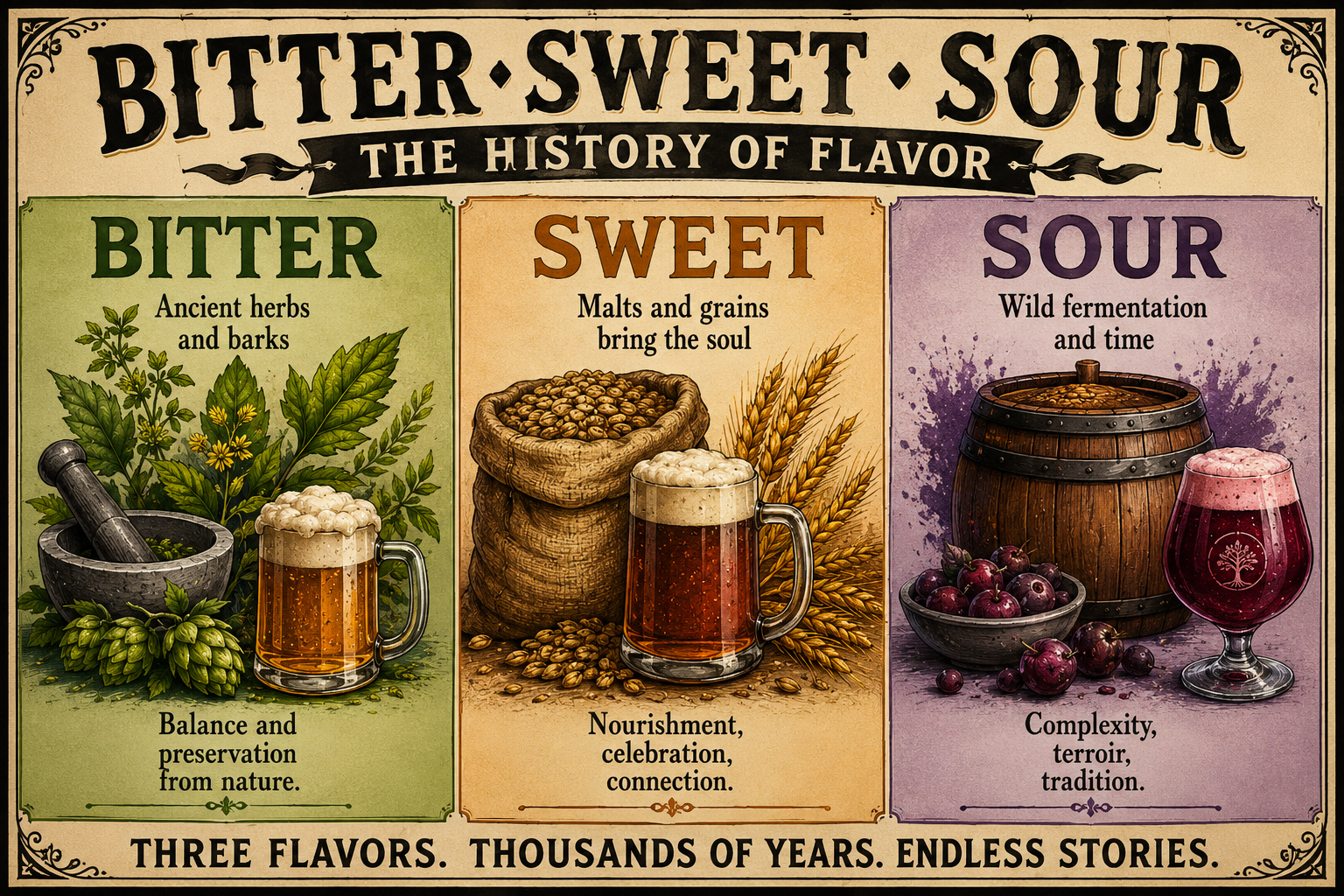
“Gruit” usually refers to herb mixtures used to flavor and preserve beer before hopped beer became dominant in many regions. The exact mix varied by place, period, and authority. Commonly discussed ingredients include plants such as sweet gale, yarrow, bog myrtle, rosemary, heather, or other herbs, though recipes were not universal.
Gruit also had an economic side. In some medieval regions, the right to produce or sell gruit could be controlled, taxed, or granted by authorities. Beer flavor was not just taste. It was regulation. The herb cabinet had politics in it.
Herbs: local flavor before global style charts
Before modern supply chains and standardized ingredients, beer was deeply local. Brewers used what grew nearby, what tradition recommended, what households knew, and what authorities allowed. A beer might carry the flavor of a valley, a monastery garden, a market town, or a kitchen memory.
Herbs could add bitterness, aroma, medicinal associations, ritual meaning, or preservative qualities. They could also add danger if misused. BeerDaily does not recommend marching into the backyard and brewing with mystery leaves. The Foam Detective has already filed paperwork.
Smoke: when malt met fire
Before modern kilning made clean, controlled malt drying easier, smoke could enter the brewing world naturally. Grain had to be dried, and drying with fire could leave smoky character. In some traditions, smoke became a feature rather than a flaw.
Smoke reminds us that beer flavor history is also fuel history. Wood, straw, peat, kiln design, drying method, and local practice could all shape the glass. In old beer, the fireplace sometimes signed the recipe.
Sourness: beer before laboratory neatness
Modern brewers can control fermentation with precision. Earlier brewers often worked in a world of mixed microbes, wooden vessels, reused equipment, open air, and local house cultures. That means sourness, funk, fruitiness, and unexpected complexity could appear naturally.
Sour beer is not just a modern craft trend. Tartness and mixed fermentation belong to old brewing realities. Sometimes sourness was desirable. Sometimes it was tolerated. Sometimes it was a sign that the beer goblins had won.
Sweetness: grain before bitterness balance
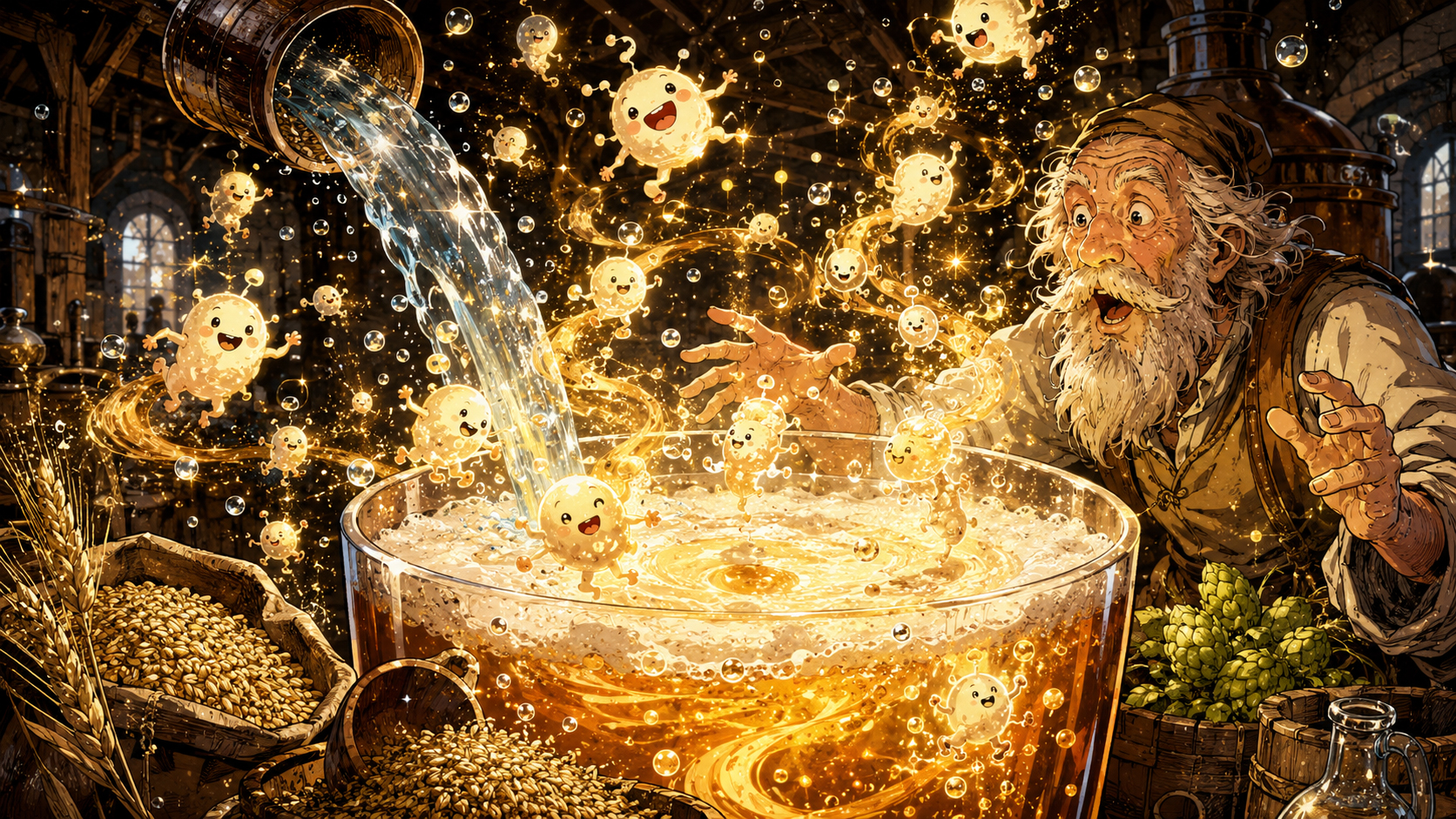
Without hops or other balancing ingredients, beer can lean sweet, heavy, bready, or porridge-like. Some historical beers may have been consumed fresh before they became harsh or unstable. Others used herbs, acids, smoke, or fermentation character to balance sweetness.
This is why “beer” across history is a broad category. A thick ancient grain drink, a smoky medieval ale, a tart farmhouse beer, and a modern IPA can all sit in the beer family without tasting remotely alike.
Preservation was a serious problem.
Beer spoils. Heat, oxygen, bacteria, wild microbes, dirty vessels, poor storage, and time can all wreck it. Hops eventually became dominant partly because they helped beer keep better while adding pleasing bitterness and aroma.
Before hops took over, brewers needed other strategies: fresh consumption, herbs, strong flavors, alcohol strength, smoke, acidity, cool storage, careful vessels, and local knowledge. The Spoilage Goblin was real enough to deserve a helmet.

Why hopped beer won
Hops did not win overnight everywhere. Their rise was gradual, regional, commercial, political, and practical. Hops brought preservative advantages, consistent bitterness, agricultural value, and a flavor profile that brewers and drinkers came to expect.
Once hopped beer traveled well, stored better, and fit expanding trade systems, hops gained power. The hop cone did not merely add flavor. It changed beer logistics.
Foam Detective correction
Bad beer history often says, “Before hops, beer was primitive.” That is lazy. Before hops, beer was diverse. It was local, experimental, botanical, smoky, sour, sweet, rustic, ritual, household, and regional.
The correct lesson is not that hops rescued beer from stupidity. The better lesson is that hops became an extremely successful answer to problems brewers had been solving many other ways.
The pre-hop lesson
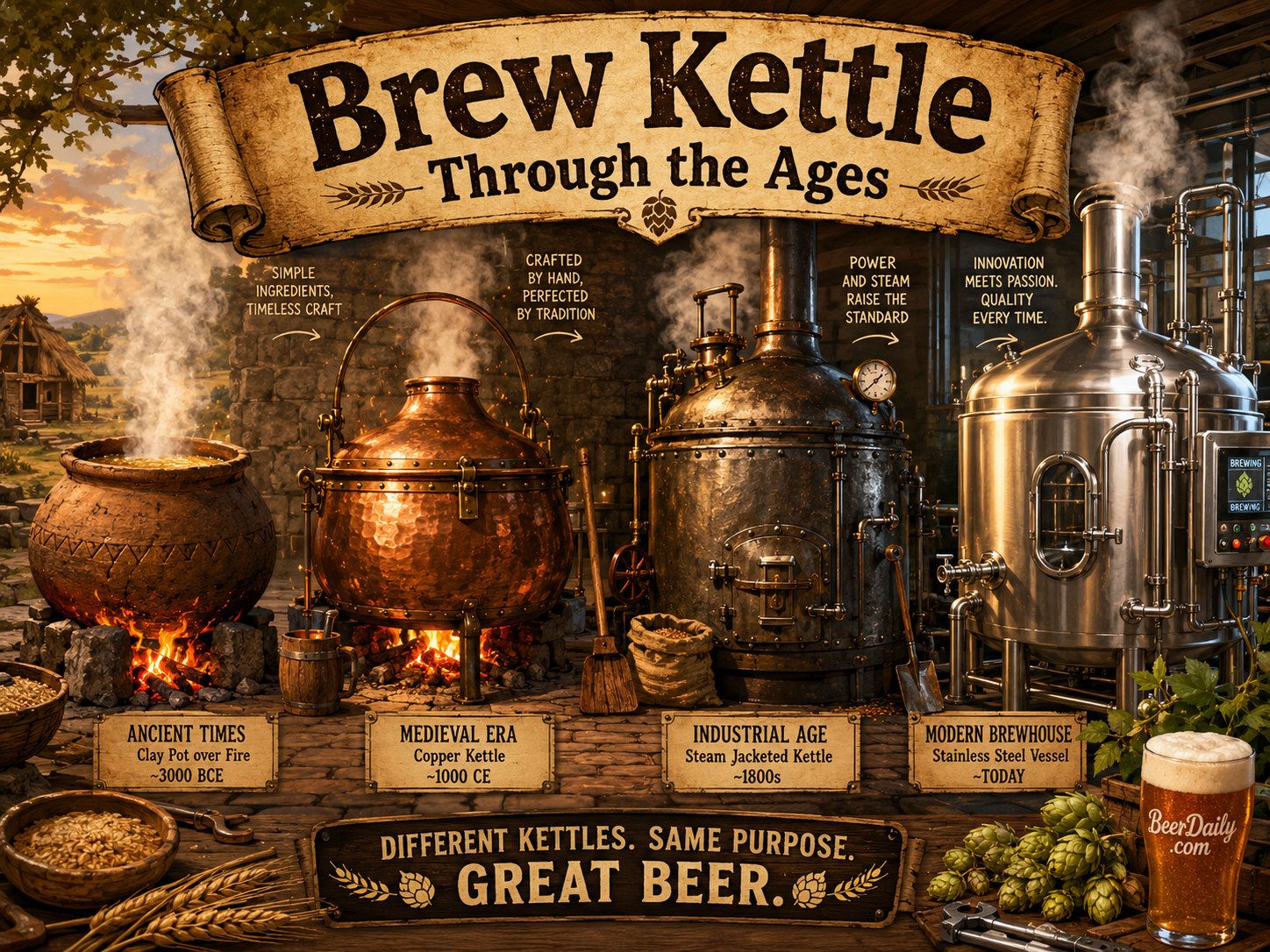
Beer before hops teaches humility. Modern beer is only one chapter. For thousands of years, fermented grain drinks were shaped by local plants, storage conditions, fuel, wild fermentation, household practice, religious meaning, and regional taste.
Beer history was not born in a stainless steel kettle with a hop schedule. It began in grain, water, vessels, wild life, fire, and human memory.