The temperance movement set the stage.
Prohibition did not appear from nowhere. It grew from long-running temperance activism, religious reform movements, concerns about family poverty and domestic violence, political organizing, anti-saloon campaigns, wartime grain arguments, immigrant politics, and broader fights over morality and public order.
Beer was swept into a much larger argument over alcohol’s place in society. Brewers often tried to present beer as a milder, more respectable alternative to spirits, but the dry movement increasingly targeted alcohol as a category. The foam did not receive a separate hearing.
Prohibition was not just a beer law. It was a national argument poured into the Constitution.
The law arrives.
In the United States, national Prohibition came through the 18th Amendment and enforcement legislation commonly known as the Volstead Act. The goal was to prohibit the manufacture, sale, and transport of intoxicating liquors. For brewers, this was an earthquake.
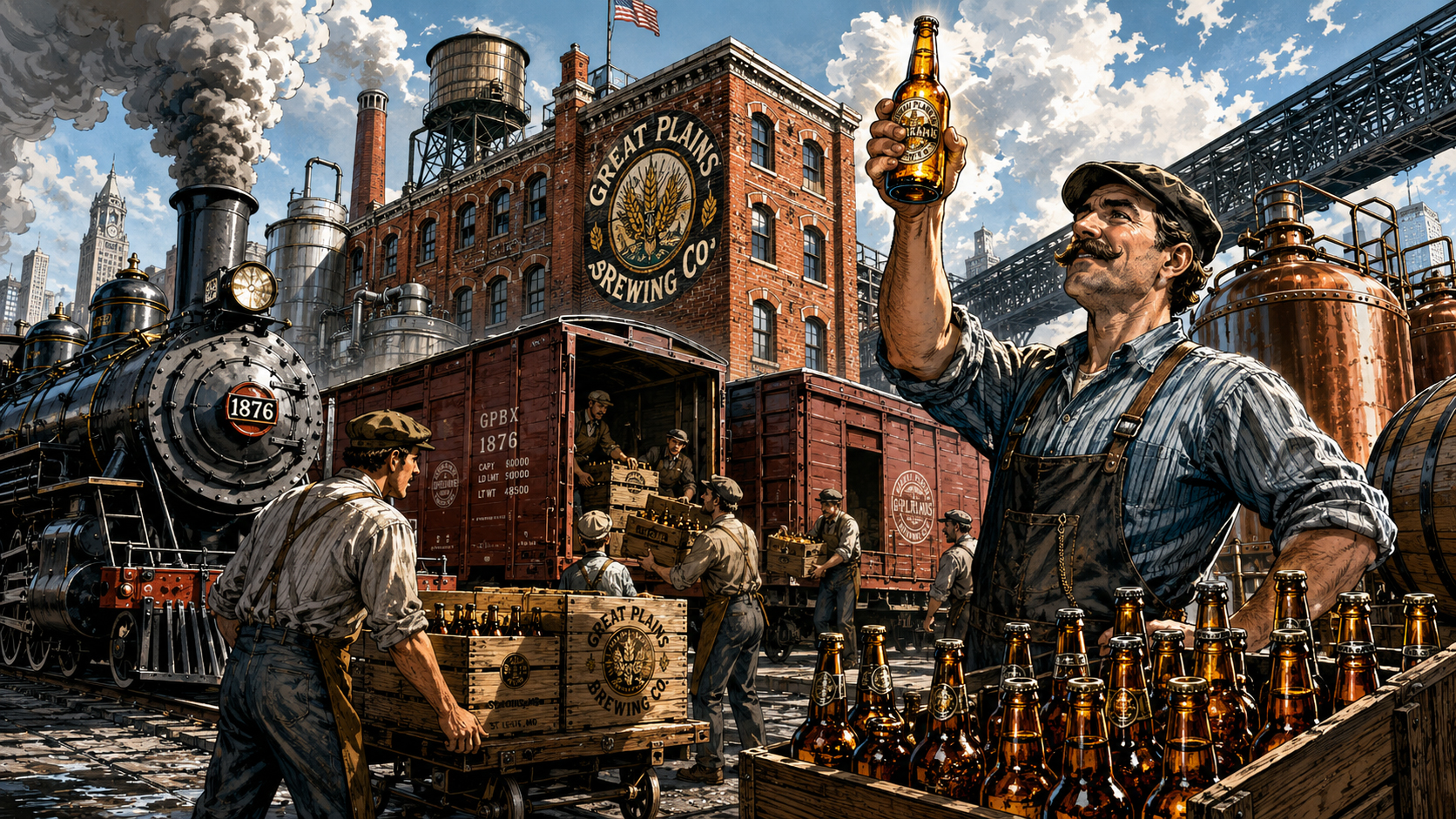
Beer had already become industrial: breweries, railroads, glass, refrigeration, distribution, branding, tavern relationships, and payrolls. Prohibition did not merely close taps. It disrupted factories, farms, workers, delivery routes, local economies, and families tied to brewing.
Near beer: beer’s awkward disguise
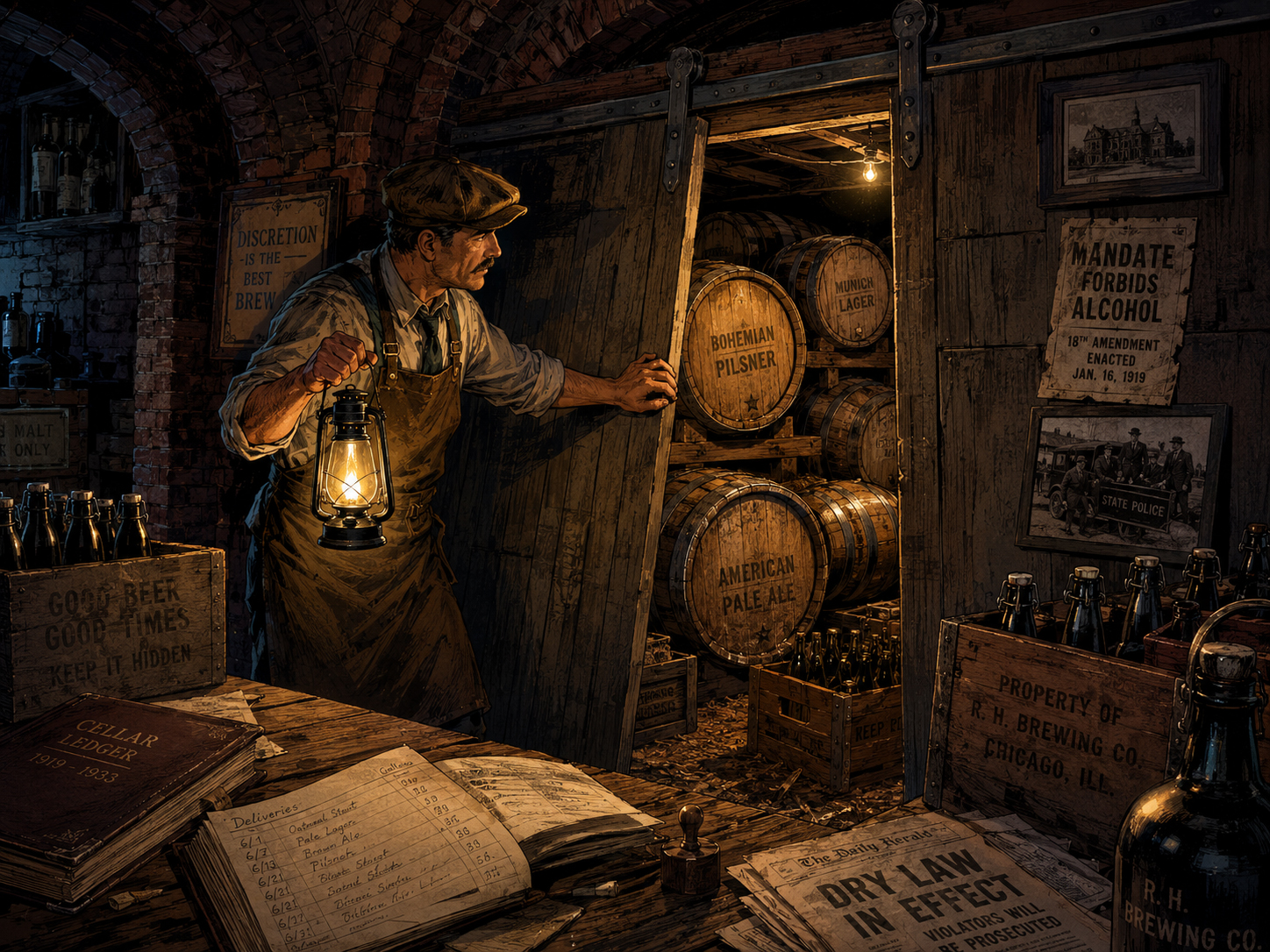
Some breweries tried to survive by making “near beer,” a very low-alcohol product meant to resemble beer while staying within legal limits. Near beer kept some equipment, brands, workers, and distribution channels alive, but it was not the same business.
BeerDaily’s tasting note: near beer was beer wearing a fake mustache and hoping the law would not ask too many questions.
Breweries pivoted or died.
Prohibition forced breweries to adapt. Some made soft drinks. Some made ice cream. Some made cereal beverages. Some sold malt extract. Some produced industrial products. Some stayed barely alive. Many failed.
The industrial brewery had been built for beer. Turning it into something else was not easy. Tanks, cellars, workers, labels, sales networks, and equipment all had to find a new job. The brewhouse looked around and said, “So, are we a soda company now?”
Speakeasies: the social life goes underground.
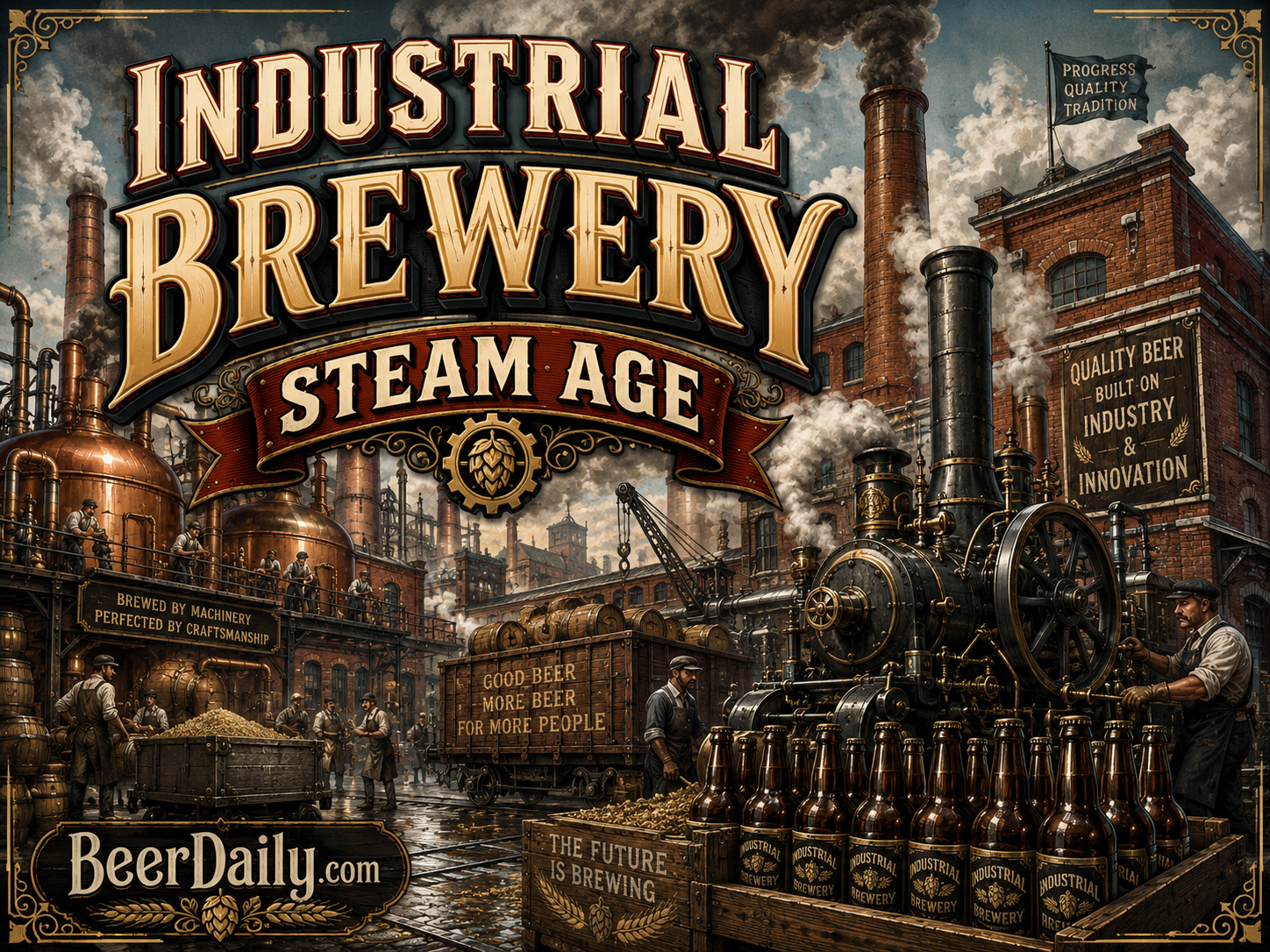
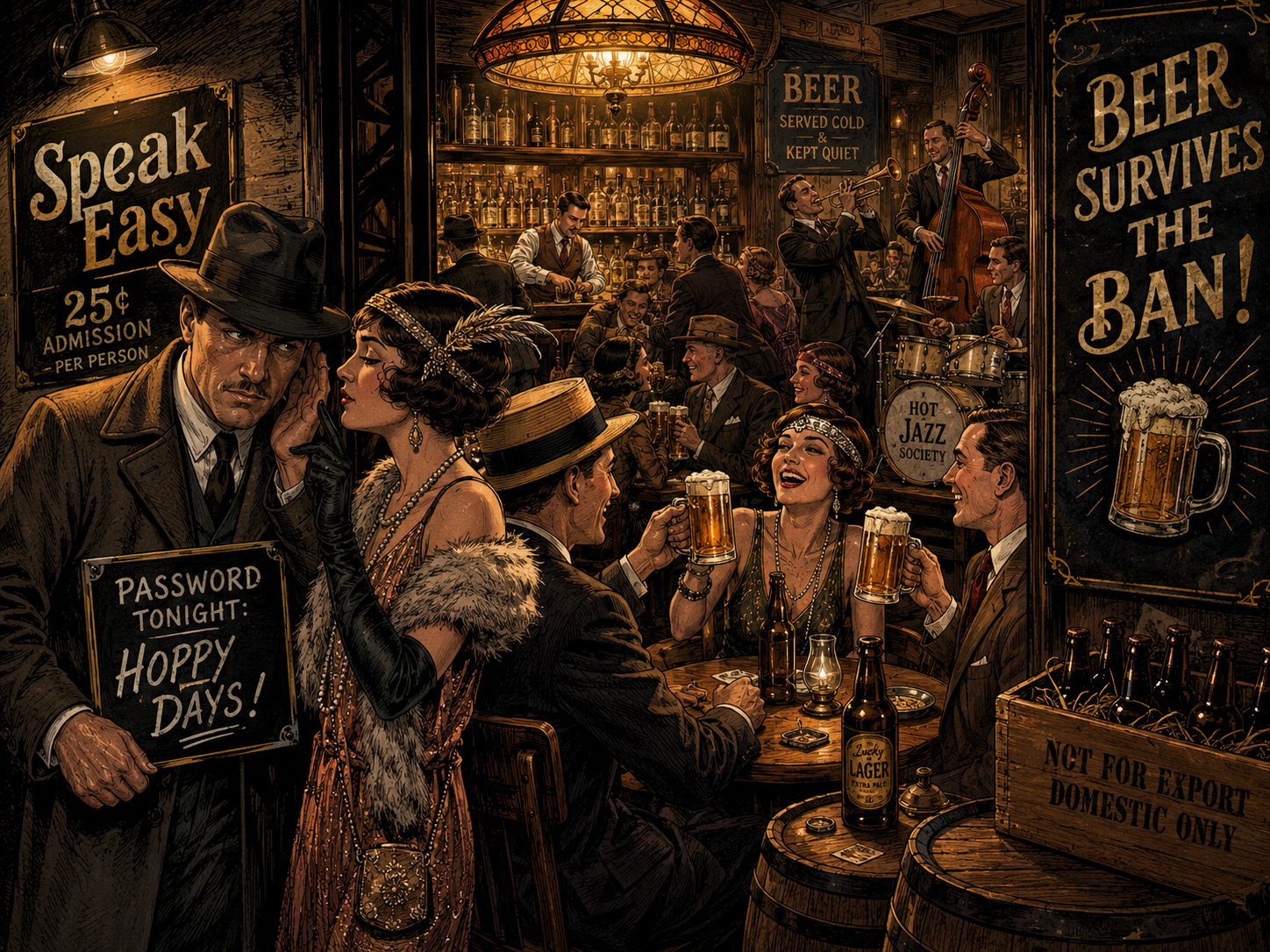
Prohibition created demand for illegal drinking spaces. Speakeasies became symbols of the era: hidden rooms, secret passwords, jazz-age style, organized crime, bribery, raids, and the thrill of forbidden nightlife.
Not every illegal drinking space was glamorous. Some were dangerous, crude, corrupt, or poorly supplied. But the speakeasy became the great cultural image of drinking under prohibition: the bar that pretended not to be a bar.
Smuggling and home production
When legal supply disappears but demand remains, illegal supply moves in. Prohibition encouraged smuggling, bootlegging, secret production, and underground distribution. Beer was bulkier and harder to move than spirits, but illegal beer still found ways to exist.
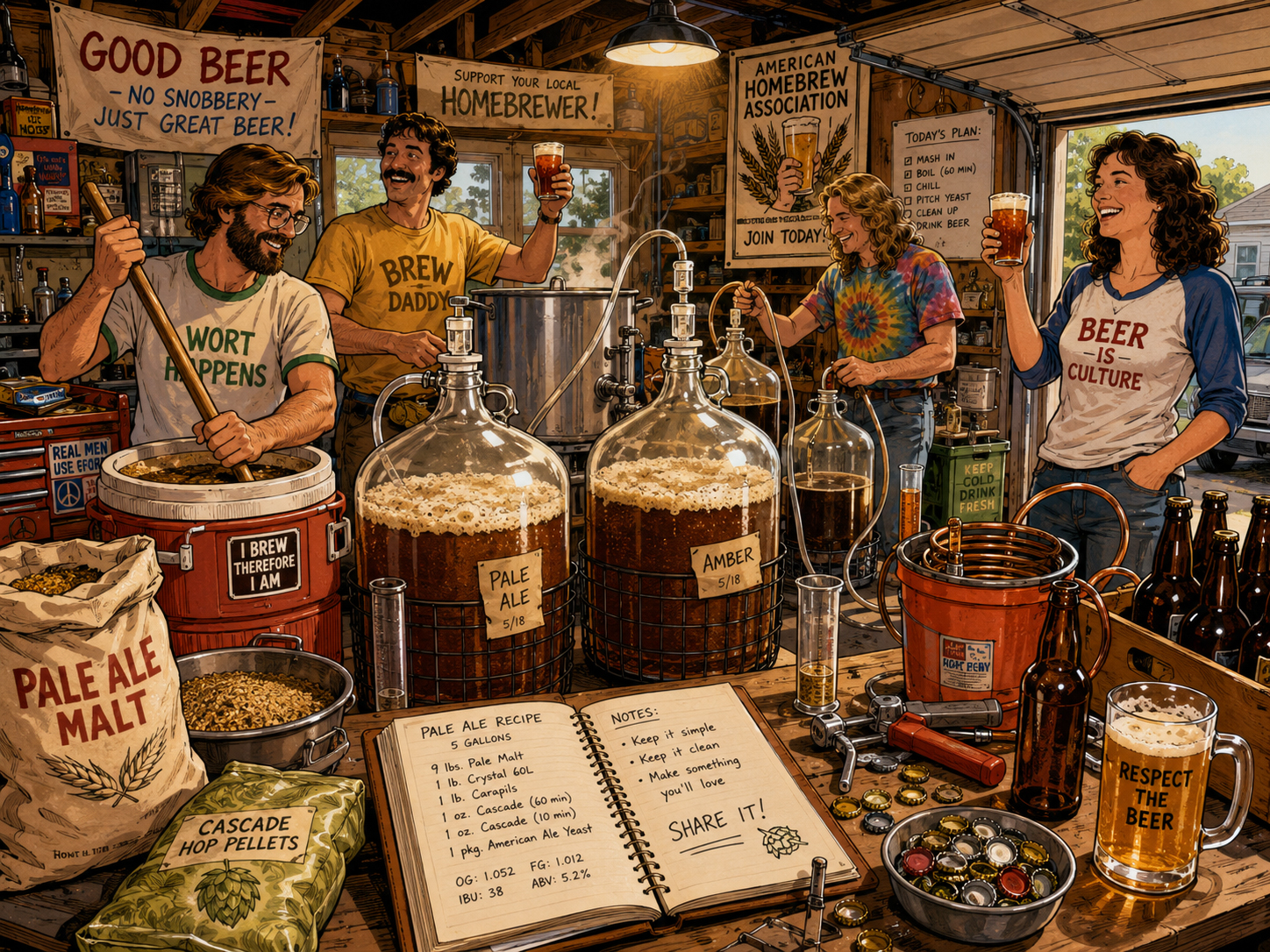
Home production also became part of the survival story. Malt products, recipes, household brewing, and quiet experimentation helped keep beer knowledge alive. Some people followed the law carefully. Others followed the smell of malt down the basement stairs.
The enforcement problem
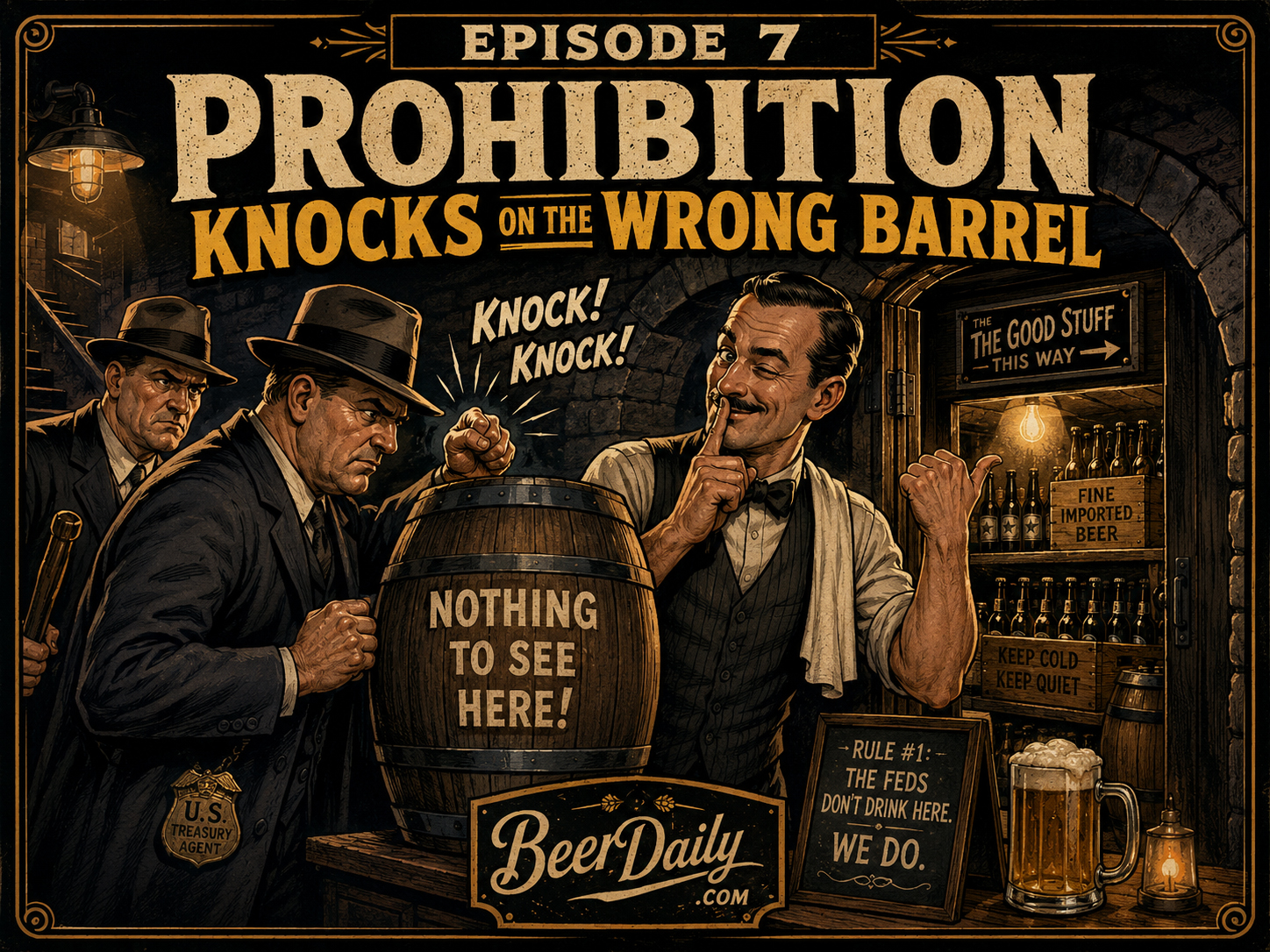
Prohibition was difficult to enforce. The country was large, demand remained, corruption existed, and illegal networks grew. Enforcement became a constant struggle involving raids, courts, police, federal agents, local politics, and public resistance.
The law tried to remove alcohol from public life, but alcohol kept finding side doors. BeerDaily’s Foam Detective calls this “the oldest known conflict between human appetite and paperwork.”
Organized crime and unintended consequences
Prohibition helped illegal alcohol markets grow. Organized crime gained opportunities through smuggling, production, distribution, protection, and bribery. A policy designed to reduce social harm created new kinds of social harm.
Beer was only part of this larger story, but it was caught in the same machinery. Legal breweries were restricted while illegal operators could ignore safety, quality, taxation, labor rules, and public accountability.
The barrel knocks back.
Prohibition also created cultural backlash. Many Americans resented the law, ignored it, mocked it, or came to see it as ineffective. Economic pressure mounted, especially as the Great Depression made tax revenue and jobs more urgent.
Beer became part of the case for repeal. Legal beer meant jobs, taxes, regulated production, and a return of an industry that many communities knew well. The barrel had a comeback speech prepared.
Repeal and return
Repeal ended national Prohibition, but the beer industry did not simply return to its old shape. Many breweries were gone. Surviving companies had to restart, retool, rebuild markets, and compete in a changed world.
Some pre-Prohibition variety was lost. Consolidation increased over time. Large breweries with capital and distribution advantages became stronger. The beer world that came back was not the beer world that had disappeared.
What Prohibition did to beer flavor
Prohibition contributed to a narrowing of American beer culture. Breweries that survived often favored products with broad appeal and efficient distribution. Industrial light lager eventually became dominant in the mainstream market.
This does not mean all post-Prohibition beer was bad. It means the industry had been broken, restarted, consolidated, and pushed toward scale. Beer came back, but it came back wearing a more uniform shirt.
Foam Detective correction
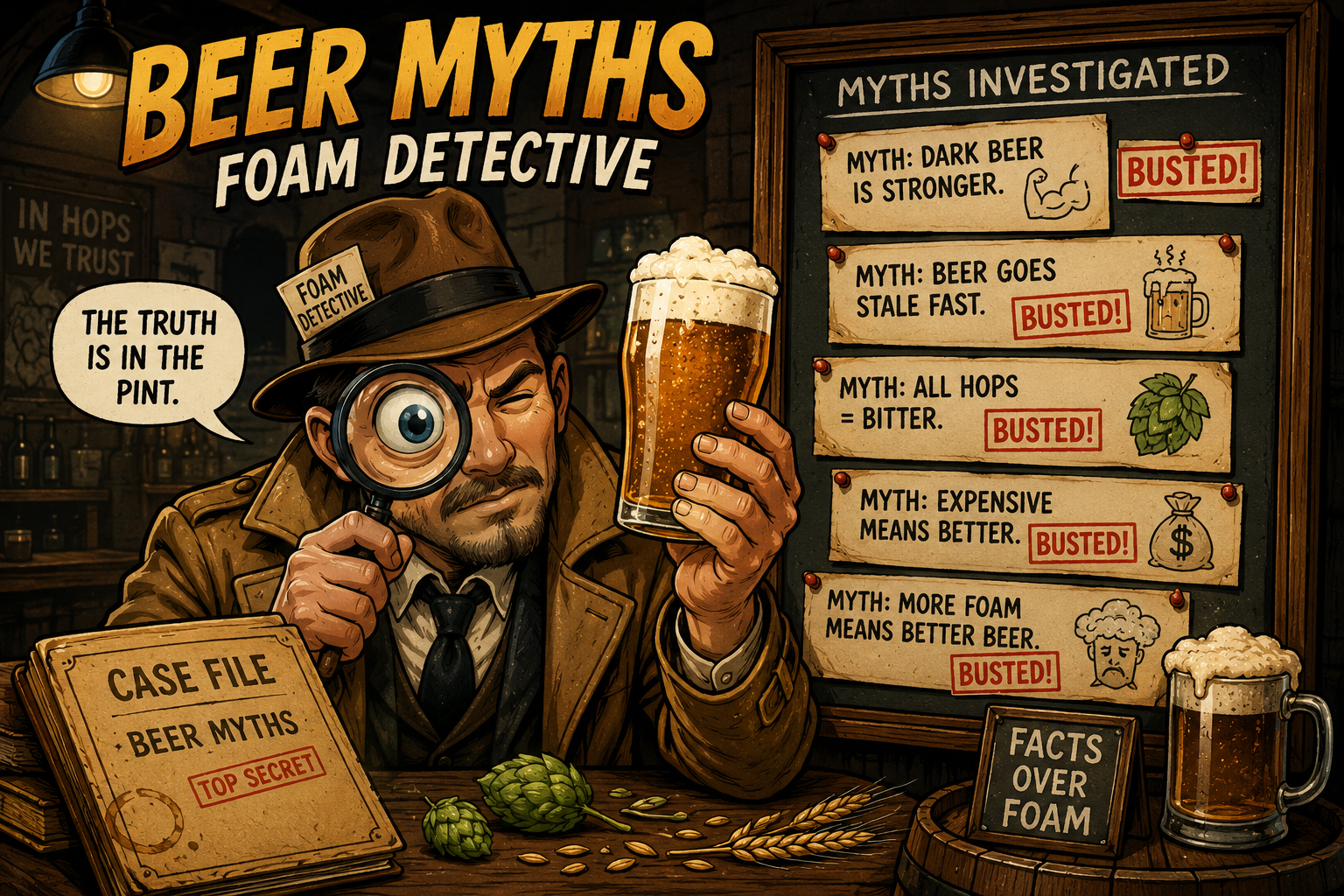
Prohibition stories can become cartoonish. Not everyone who supported temperance was foolish. Many reformers were responding to real social problems linked to alcohol abuse. But national Prohibition also produced serious unintended consequences and proved extremely difficult to enforce.
The true history is not “good drinkers versus bad reformers.” It is a complicated clash among public health, morality, industry, politics, crime, personal liberty, economics, and culture.
Beer’s survival lesson
Prohibition shows that beer is more than liquid. It is industry, labor, agriculture, memory, equipment, culture, law, and habit. You can ban the sale of beer, but you cannot instantly erase the knowledge, demand, or social meaning around fermented grain.
Beer survived because people adapted: legally, illegally, commercially, domestically, quietly, loudly, cleverly, and sometimes badly. The story is messy because history is messy. The barrel did not vanish. It waited.