Meet Hop Samurai
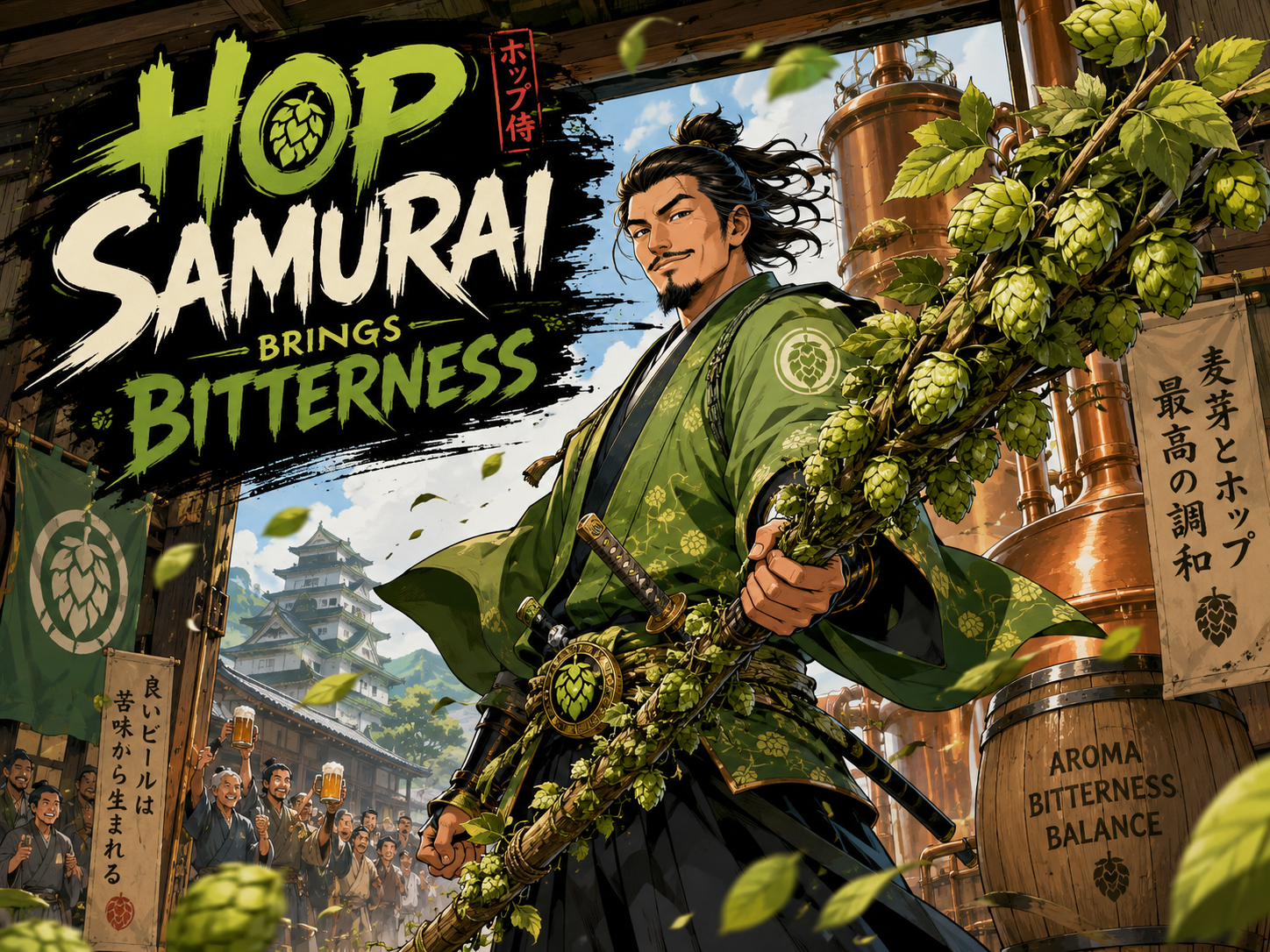
Hop Samurai is disciplined, aromatic, slightly dramatic, and very serious about balance. He carries a sword shaped like a hop bine and speaks only when malt sweetness gets too comfortable.
He is not the oldest character in the BeerDaily universe. Barley Boy, Yeast-chan, Ninkasi, clay jars, bread beer, and gruit herbs were all on stage before him. Hop Samurai’s strength is not age. His strength is impact.
Hop Samurai: “I did not begin the story. I changed the route.”
Bitterness is balance, not punishment.
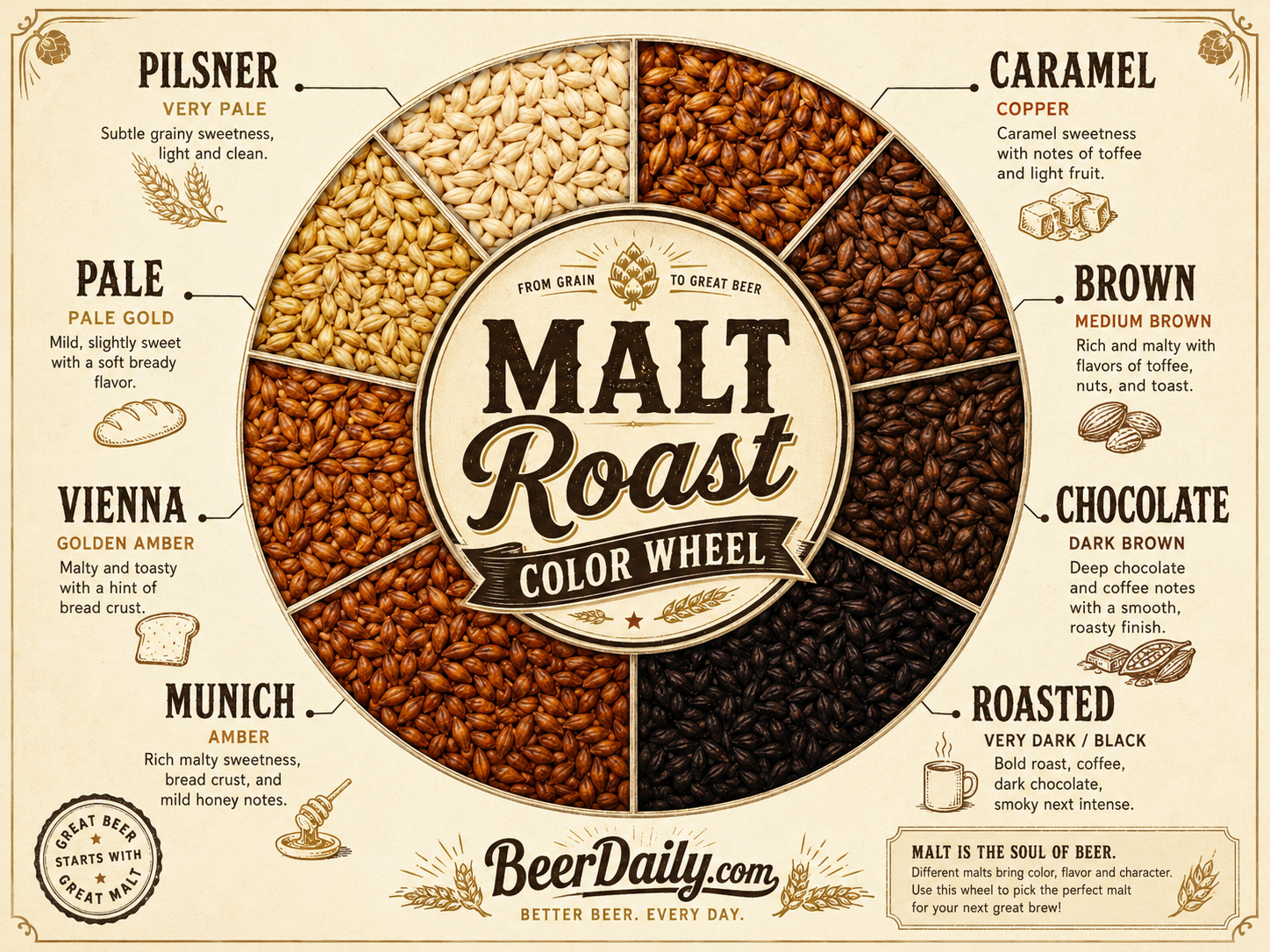
Beer made from malt can be sweet, bready, rich, or heavy. Hops add bitterness that balances that sweetness. A good bitter note can make beer feel cleaner, drier, sharper, and more drinkable.
Hop Samurai dislikes the idea that bitterness is merely aggression. “Bitterness is structure,” he says. “A bridge between sweetness and refreshment.”

The malt challenge
Malt Sensei enters with a tray of sweet wort. Barley Boy beams with pride. “Look how rich and sweet I am,” he says.
Hop Samurai tastes it, pauses, and nods respectfully. “Excellent body. But without balance, the drink may become too heavy.”
Barley Boy frowns. “Are you insulting me?”
“No,” says Hop Samurai. “I am completing you.”
Hops bring aroma too.
Hop Samurai opens a pouch. The air fills with herbal, floral, spicy, earthy, citrus, pine, resin, tea, grass, tropical fruit, and orchard notes. Everyone in the brewhouse suddenly has opinions.
Hops are not only bitter. Depending on variety and brewing method, they can build a huge aromatic range. That is why modern brewers treat hops like ingredients, instruments, and occasionally celebrities with terrible agents.
Preservation made hops powerful.
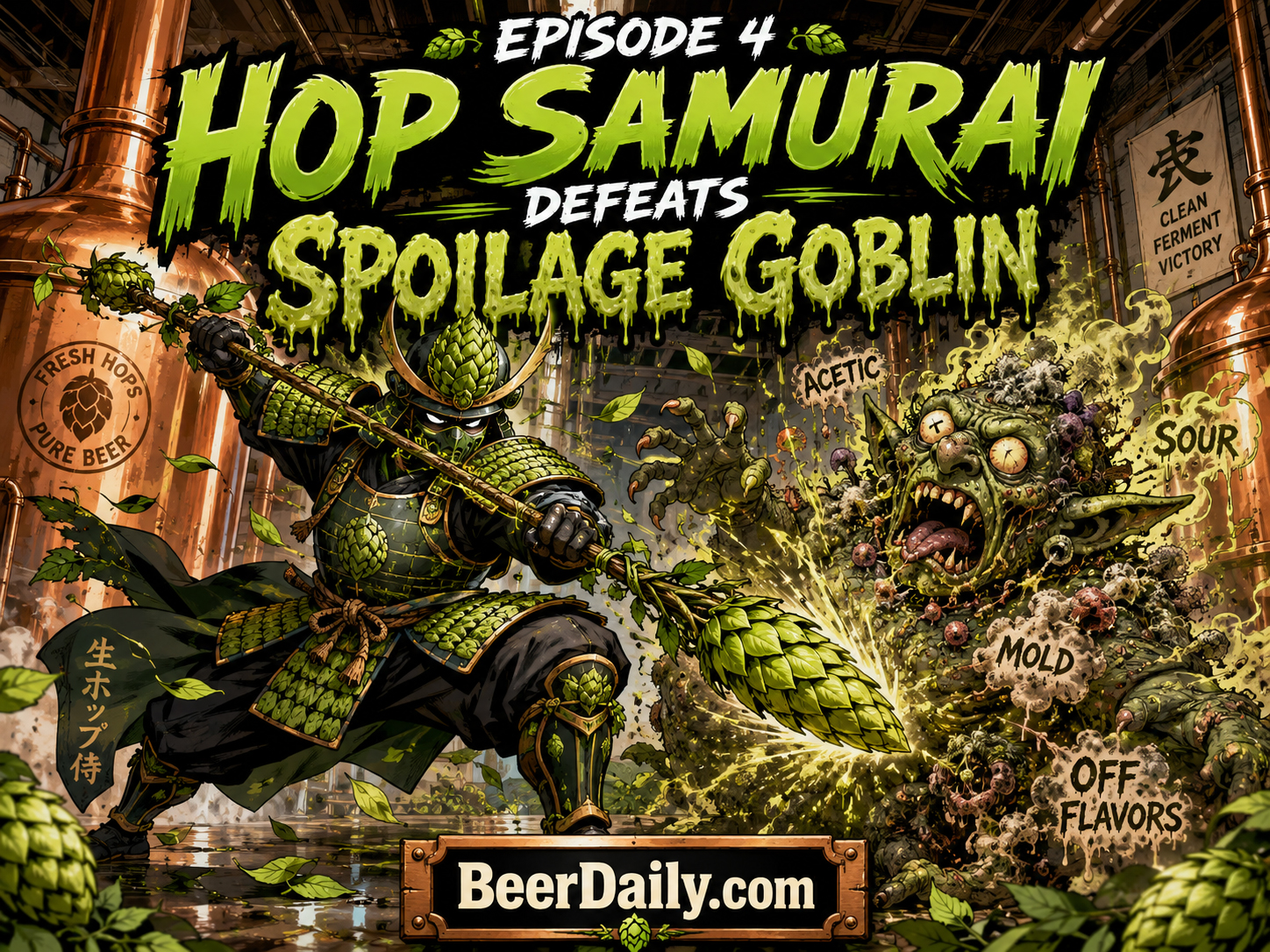
Hops also helped beer keep better. Before modern sanitation, refrigeration, pasteurization, sealed packaging, and lab testing, spoilage was a constant threat. Hops made beer less welcoming to some spoilage organisms while adding useful flavor.
This did not make hops magic. Bad storage, heat, oxygen, dirty vessels, and poor process could still wreck a batch. Hop Samurai can fight the Spoilage Goblin, but he still needs the brewer to clean the equipment.
Beer before Hop Samurai
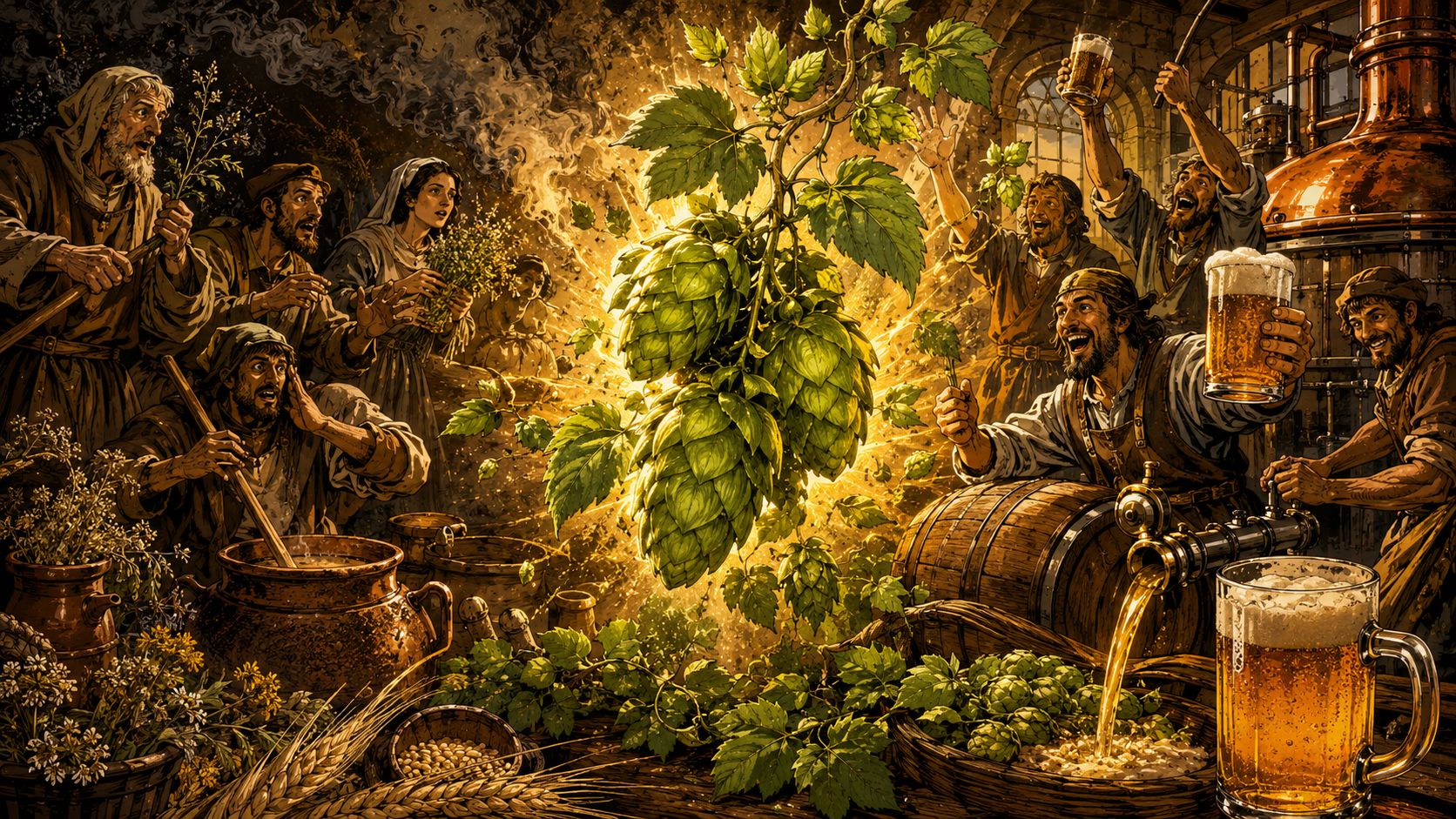
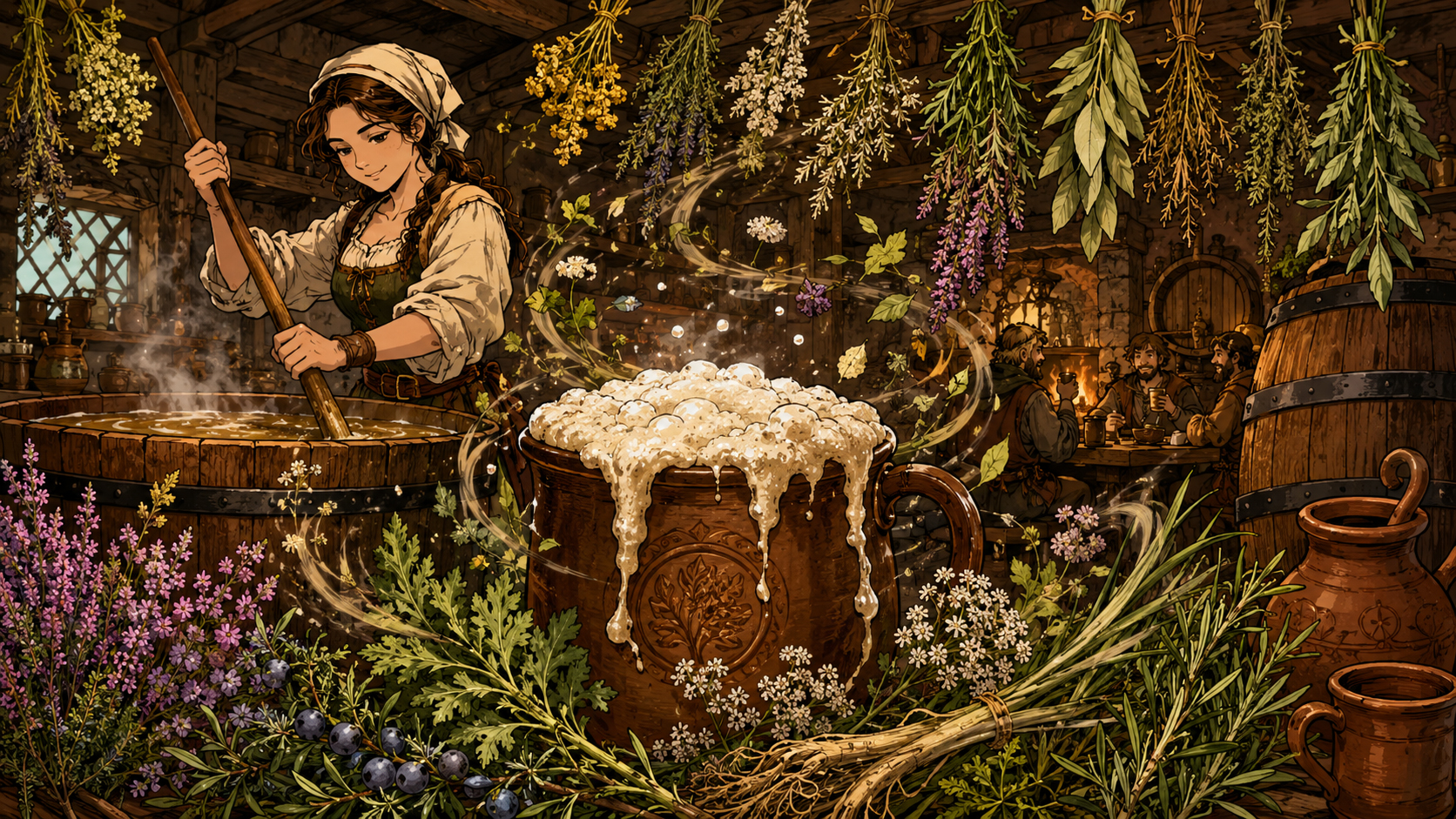
Before hops became dominant, brewers used many other flavoring and balancing tools: herbs, gruit mixtures, smoke, sourness, fruits, spices, honey, and local plants. That world was diverse, regional, and often wonderfully strange.
Hop Samurai respects that world. He bows to the herb cabinet before entering the kettle. “You were here first,” he says. “I am here because beer needed a new road.”
Trade changed the stakes.
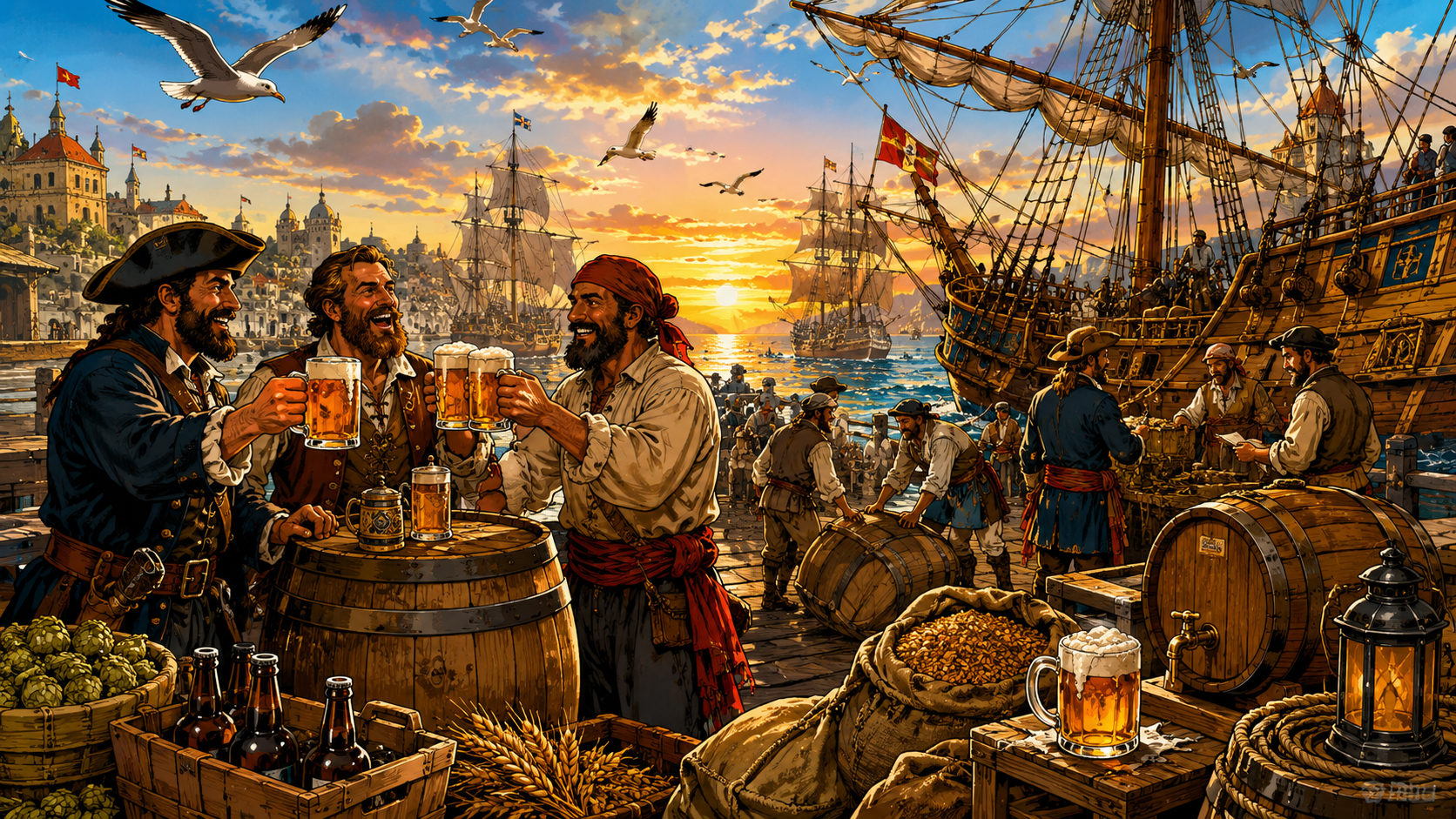
Hops mattered because beer that keeps better can move farther. Better stability helped beer become more practical for trade, storage, and larger markets. Once beer could travel more reliably, brewing economics changed.
Hop Samurai stands at the dock watching barrels load onto ships. “A beer that survives the trip,” he says, “can become more than local.”
The Foam Goblin makes an IPA claim.
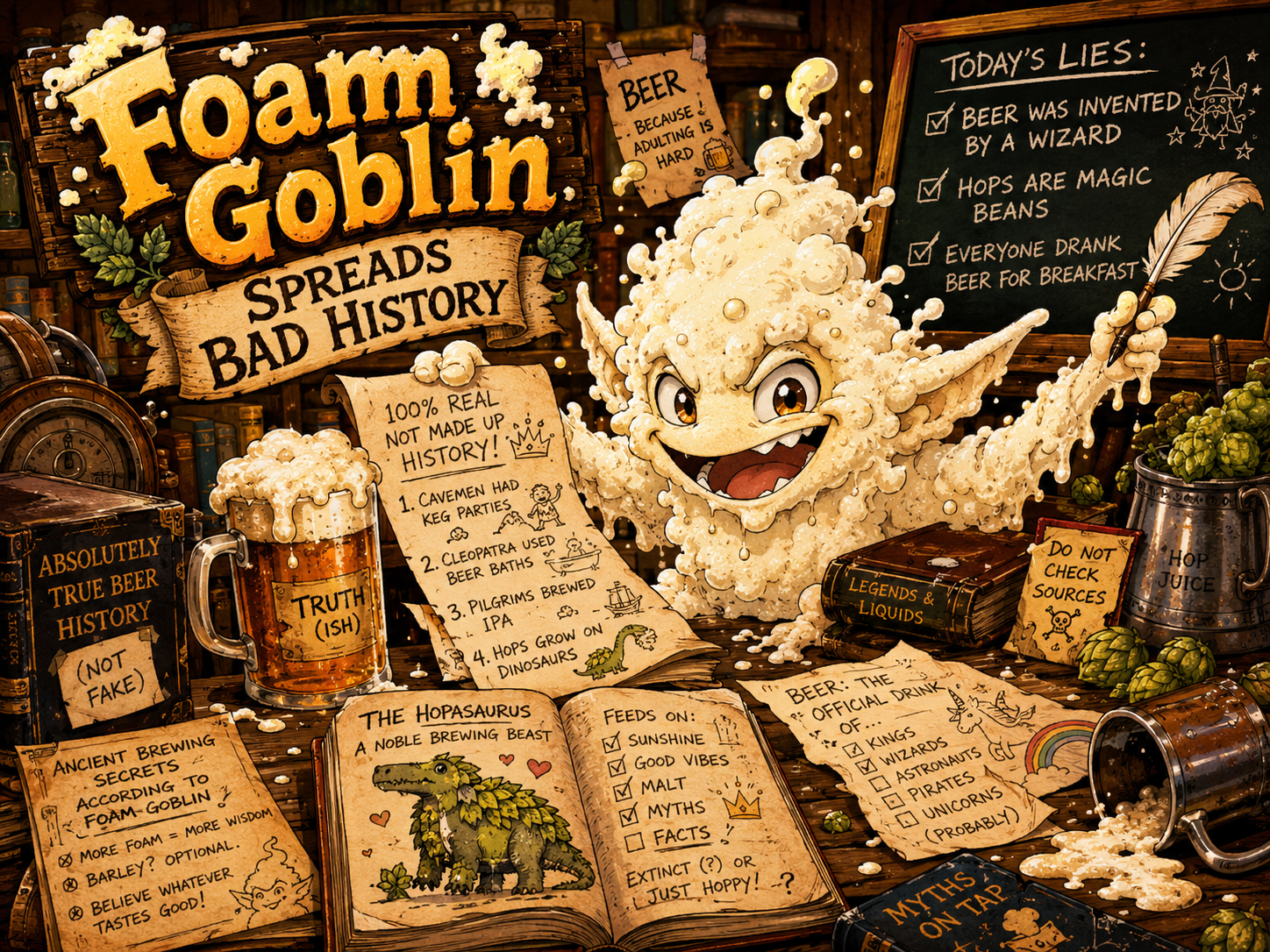
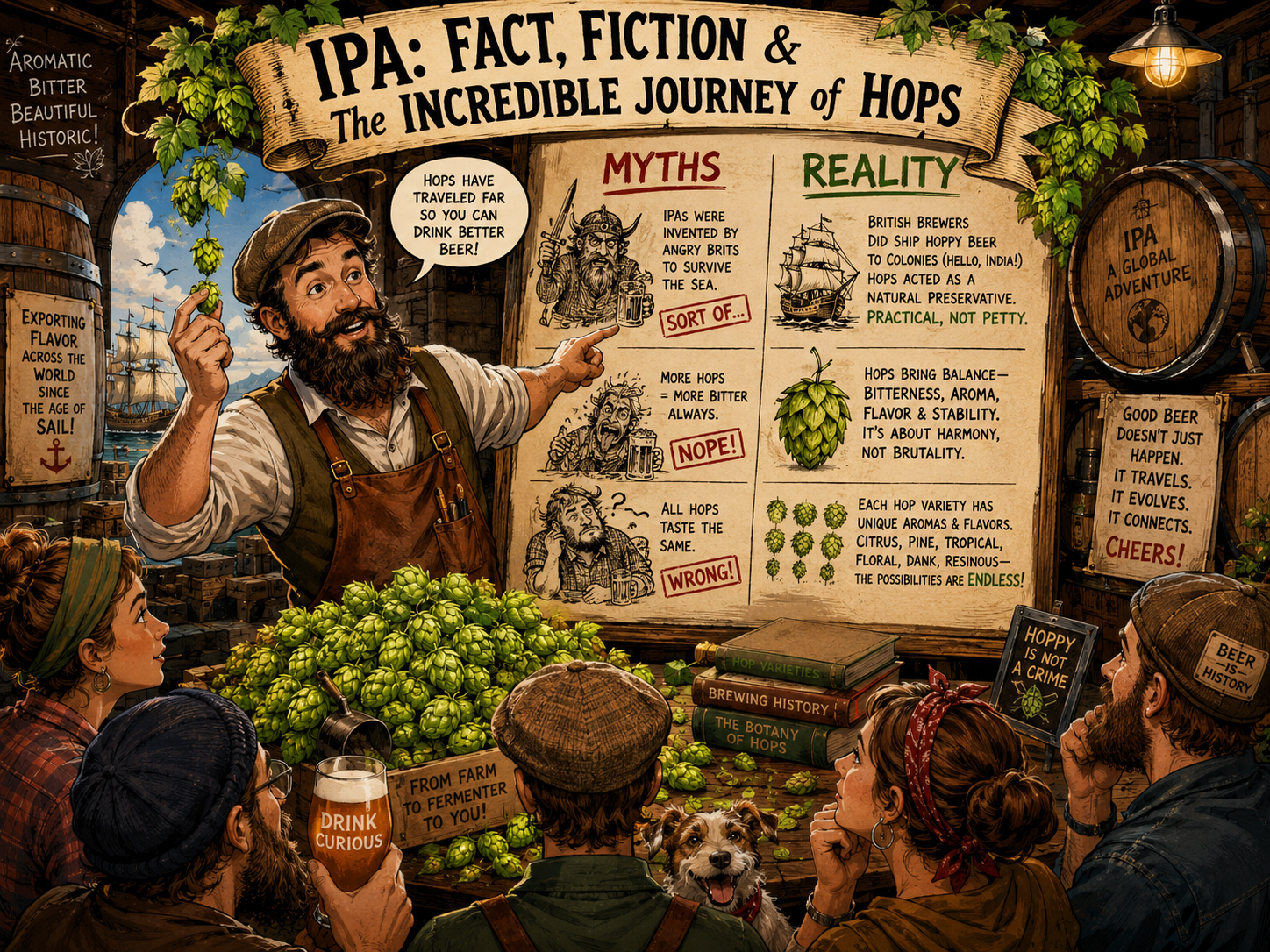
The Foam Goblin bursts in waving a fake scroll. “I declare that every hop story is simple and every IPA legend is perfectly true.”
Foam Detective takes the scroll, reads one sentence, and places it directly into the correction barrel.
Hop Samurai sighs. “Enjoy the legends. Check the ledgers.”
Hop Samurai in modern craft beer
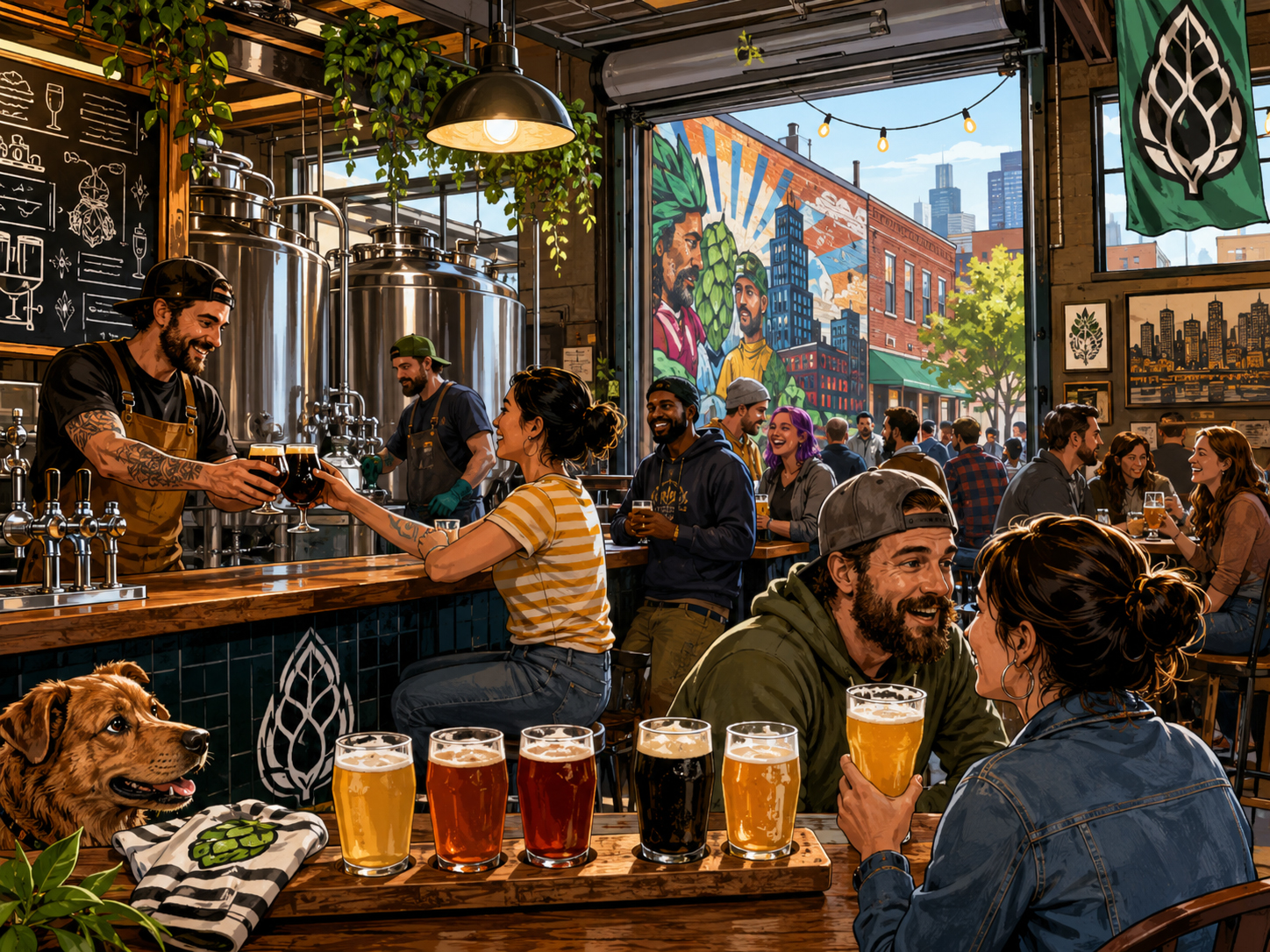
Modern craft beer turned hops into full celebrities. Brewers highlight hop varieties, dry-hopping methods, bitterness levels, freshness windows, aroma profiles, and release dates. Some beers whisper hops. Some beers shout hops. Some beers appear to have been personally attacked by a citrus grove.
Hop Samurai approves of creativity, but he also respects balance. “A hop sword should be sharp,” he says. “Not waved randomly in a crowded taproom.”
The BeerDaily lesson
Hop Samurai teaches that hops changed beer by doing several useful jobs at once. They balanced malt sweetness, added aroma, supported preservation, helped beer travel, and shaped the flavor expectations of modern drinkers.
Hops did not invent beer. They transformed beer’s future.
BeerDaily moral: bitterness is not the villain. Bad history is.